Getting a good recording out of a room that was never meant for it
Most home studio advice starts with buying a better microphone. It should start with where you put the one you have.
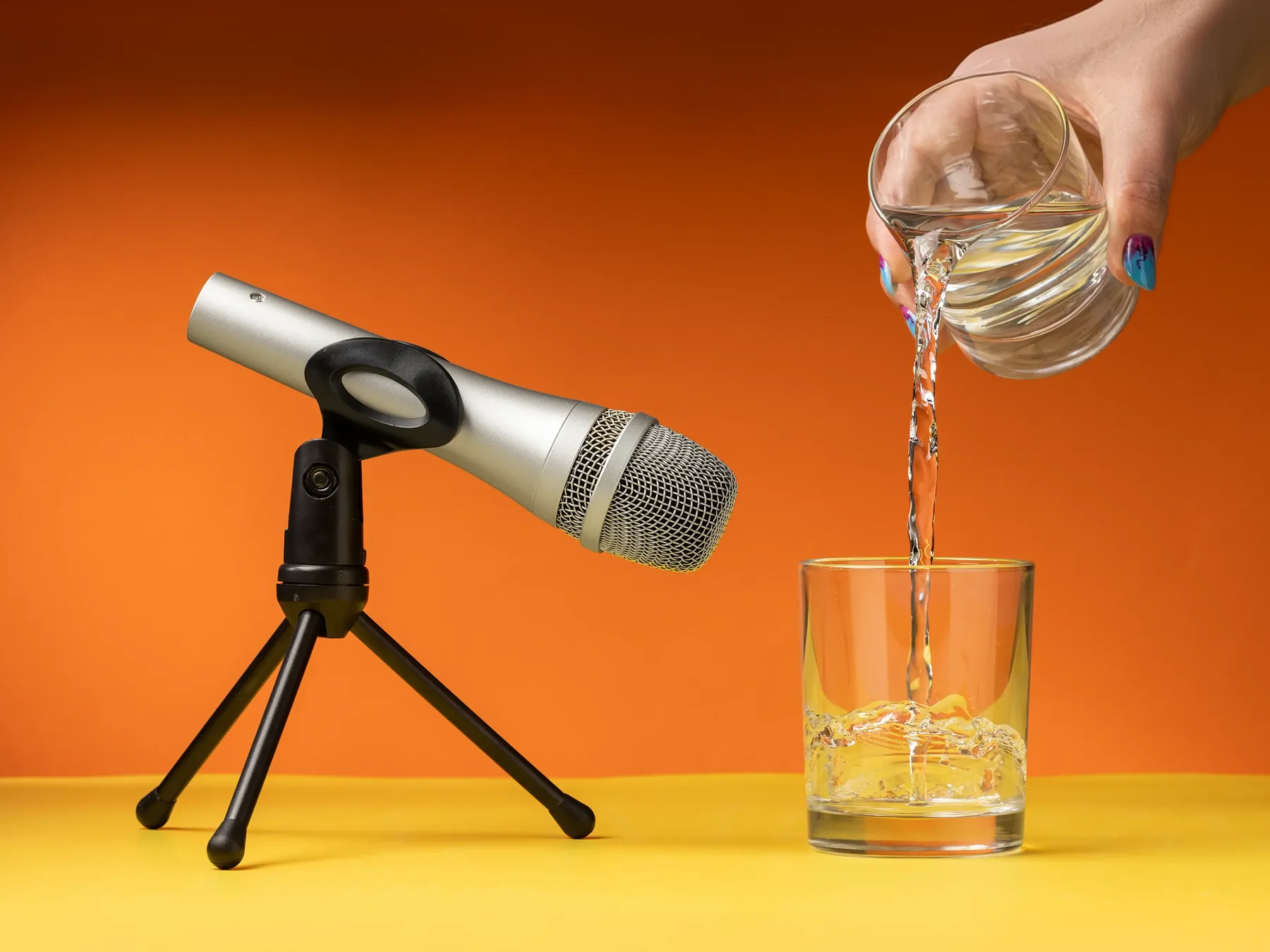
A $400 microphone in a bare room sounds worse than a $100 one in a good spot. The room is the instrument you did not choose, and it is the cheapest thing on this list to fix.
Move the desk first
Do not face a bare wall, and do not sit in the middle of the room. Both put a hard reflection back into the microphone a few milliseconds after your voice, which is what makes home recordings sound hollow. Face into the room, with something soft behind you.
- A wardrobe of clothes behind you beats any panel you can buy for the money.
- A rug under the desk kills the bounce off a hard floor.
- Close the door. An open doorway is a hole the room leaks into.
Then get closer
A hand span from the microphone, slightly off to one side so your breath passes it rather than hits it. Close means the microphone hears more of you and less of the room, and it is free. Turn the gain down to compensate until your loudest moment lands short of the top of the meter.
Every problem people try to solve with a new microphone is solved by 6 inches and a blanket.
What to buy, if you are buying
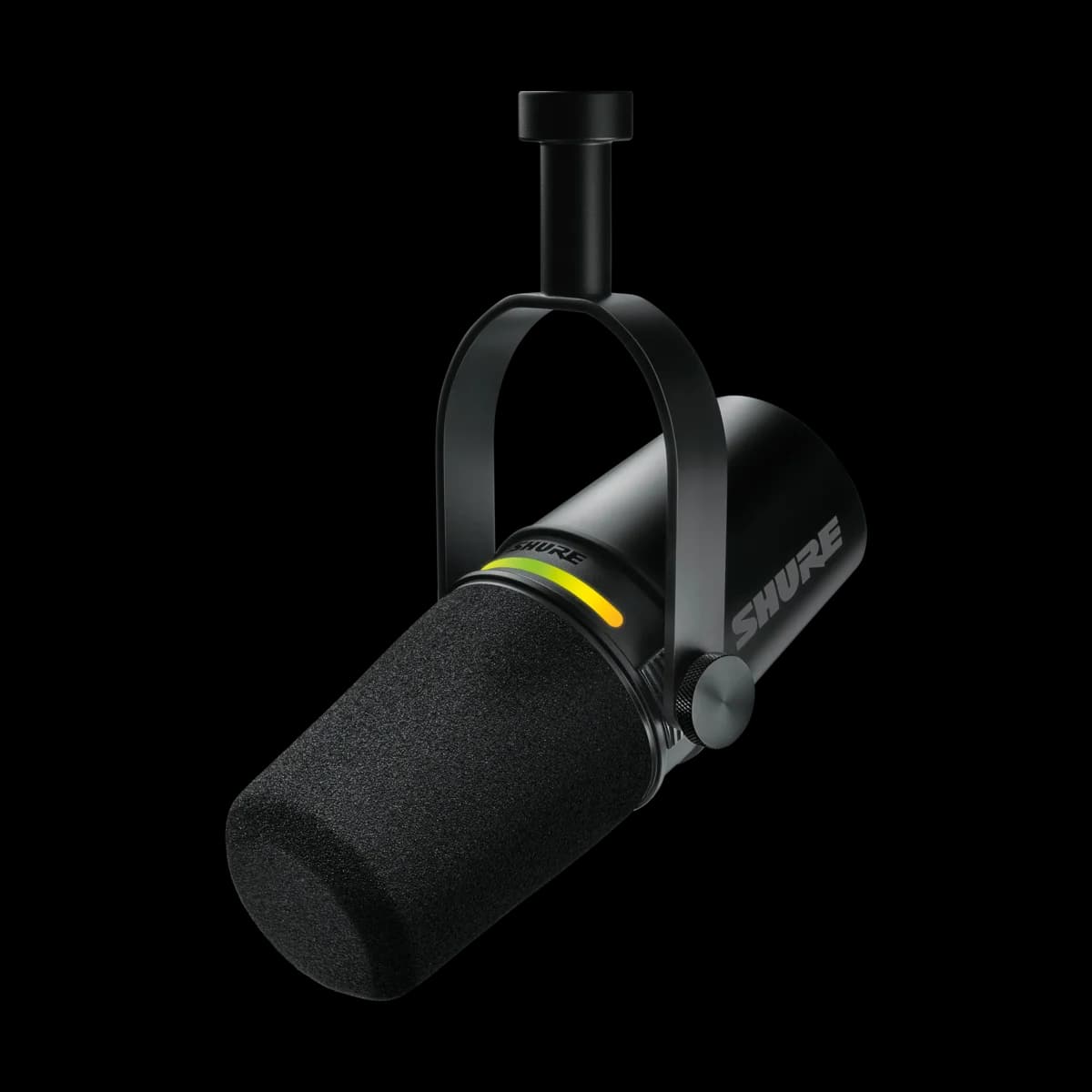
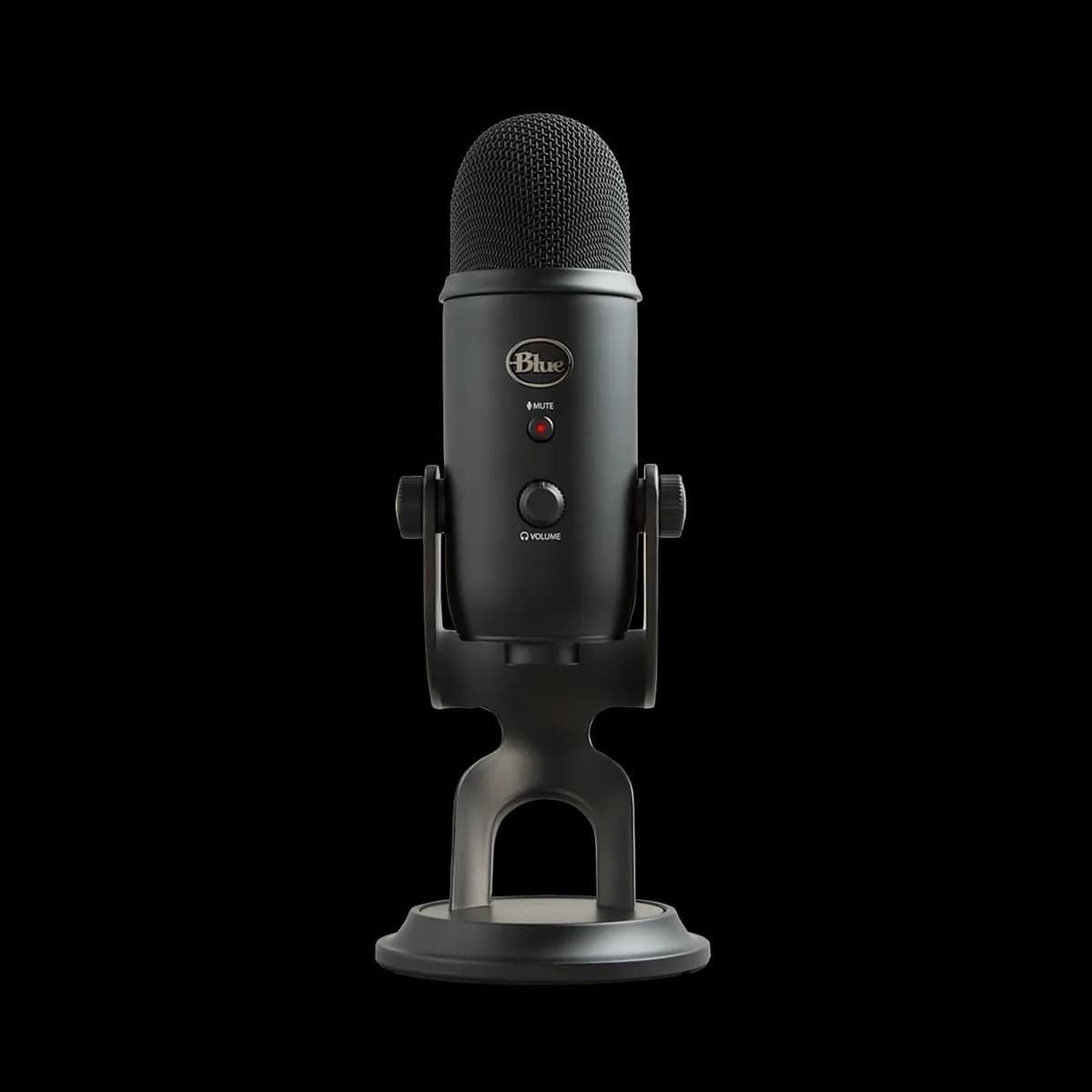
A dynamic microphone, not a condenser. Condensers are more detailed and that is the problem: in an untreated room the extra detail is the room. A dynamic with a tight pickup pattern is the forgiving choice, and it is what most broadcast studios use anyway.
Maya Brandt
Audio editor
Spends more time in listening rooms than is strictly healthy. Writes about headphones, speakers, and the difference a room makes.