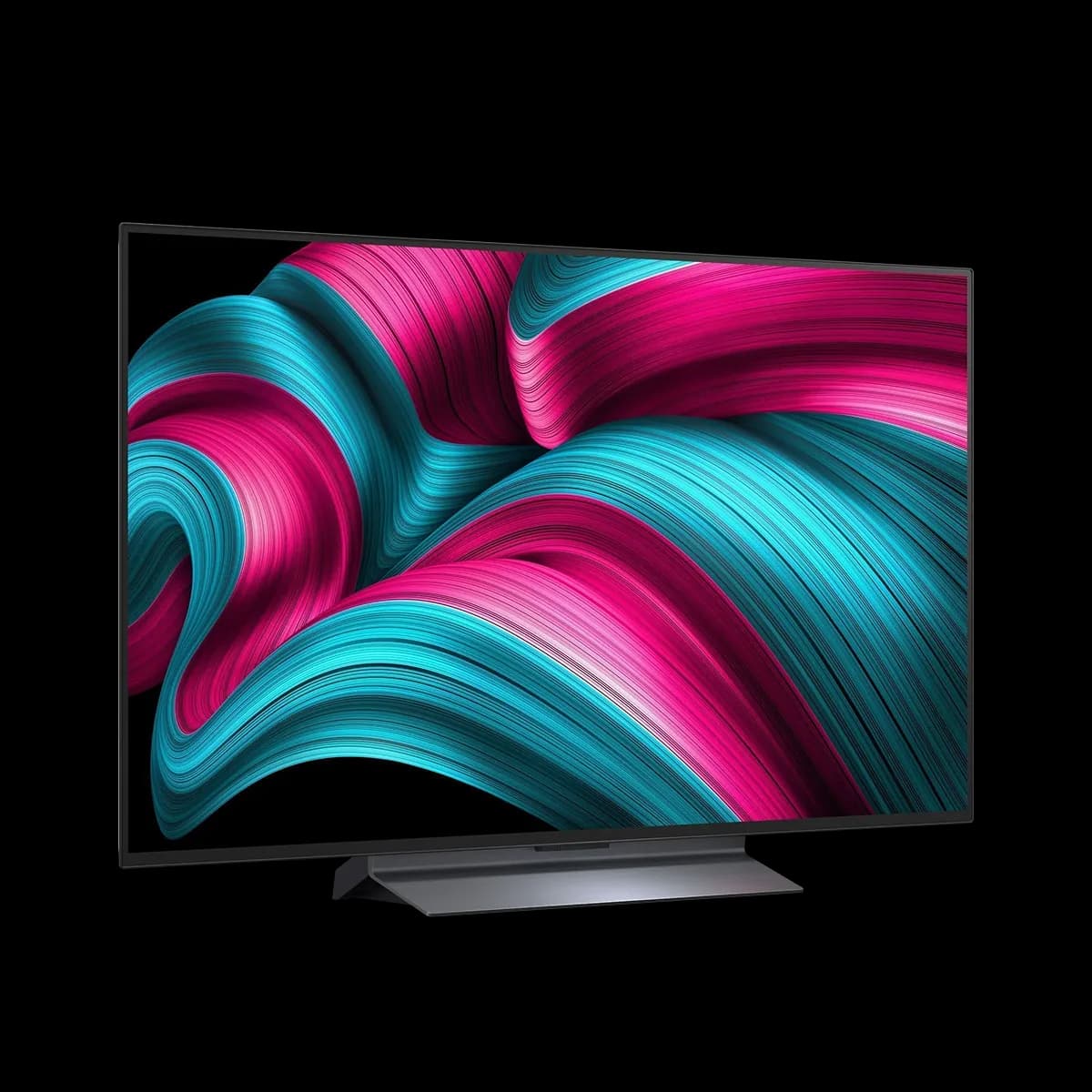
The 5 minutes of settings that matter more than the TV you bought
Every TV leaves the factory in a mode built for a shop floor. Here is what to change before you watch anything on it.
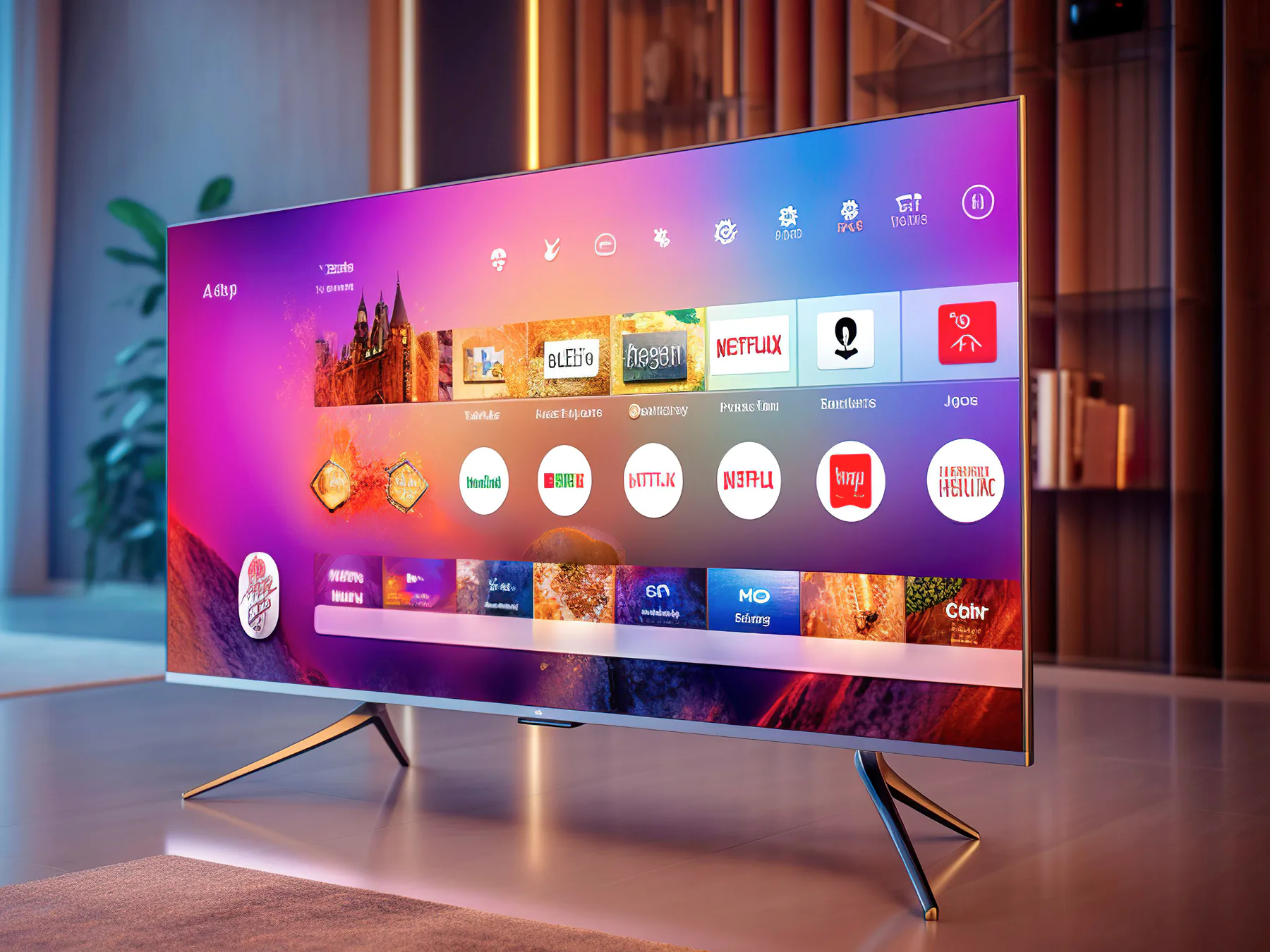
A TV on a shop floor is competing with ceiling lights and 20 other screens, so it ships in the mode that wins that fight: brightness at maximum, color pushed hard, and every processing feature switched on. Your living room is not a shop floor, and none of those choices survive the trip home.
Change the picture mode first
Filmmaker, Cinema, or Movie mode gets you most of the way in 1 setting. It drops the processing and moves the color temperature to the warm standard that films and shows are graded against, which is the picture the people who made them signed off on. It looks yellow for about 10 minutes, and then everything else looks blue.
Then switch off the parts that guess
- Motion smoothing invents frames between the real ones. It is why a film starts looking like a daytime soap.
- Noise reduction was built for broadcast TV and scrubs fine detail out of anything you stream today.
- Dynamic contrast rewrites the shadows scene by scene, so the picture never settles.
- Sharpness belongs in the middle of its range. Higher than that draws a white outline around everything.
Set brightness by eye, and set it twice
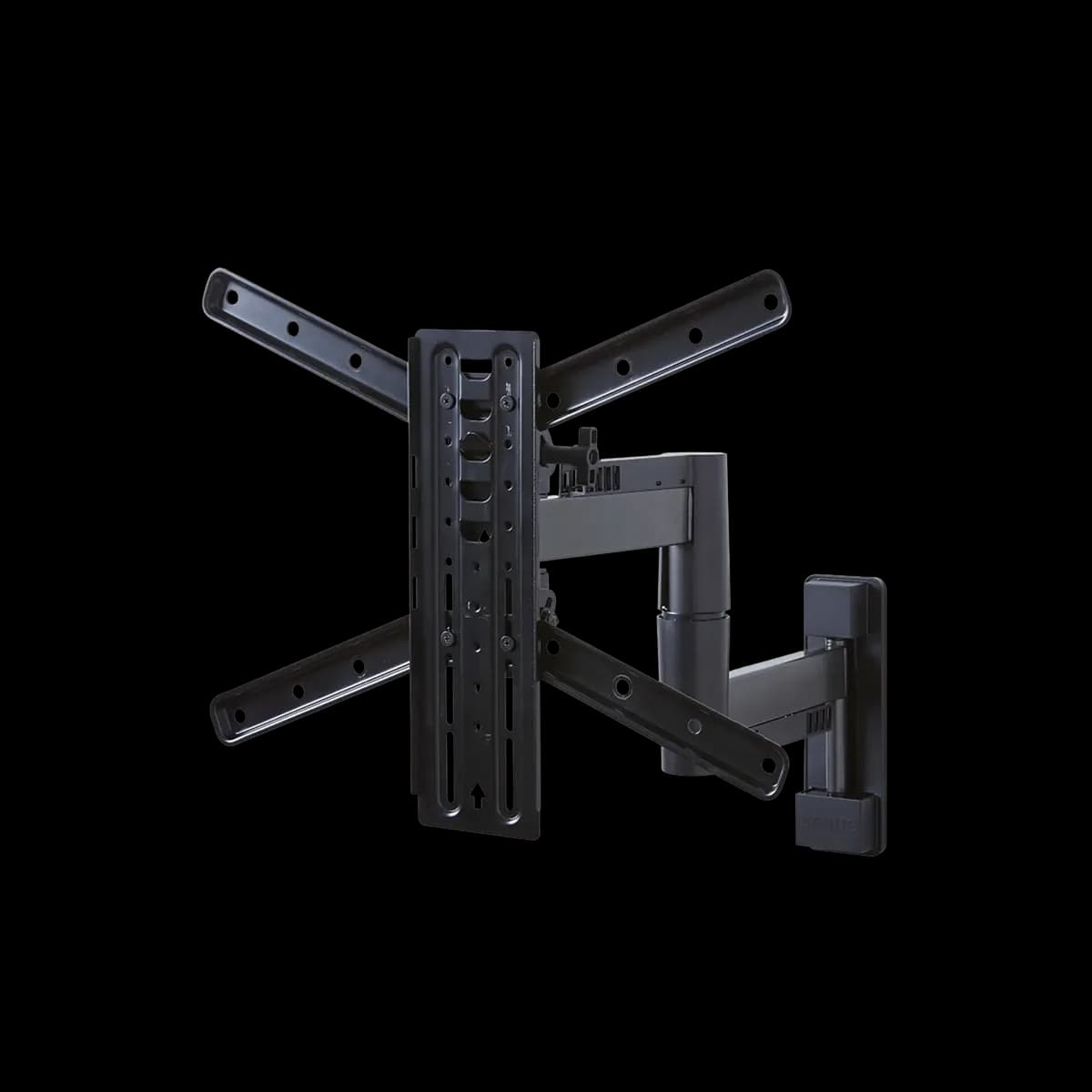
Backlight, or OLED brightness, is the 1 control worth trusting your own eyes on, and the right level at 9pm is wrong at noon. Set it for the evening in the mode you watch films in, then leave a second mode brighter for daylight. While you are at it, hang the screen at eye level from where you sit rather than above a fireplace, because no setting fixes looking up at it all evening.
If a setting has dynamic, intelligent, or enhancer in its name, it is guessing. Turn it off and see whether you miss it.
Tom Vance
Reviews editor
Lives with everything for a week before writing a word about it. Believes most gear is judged too early and returned too late.