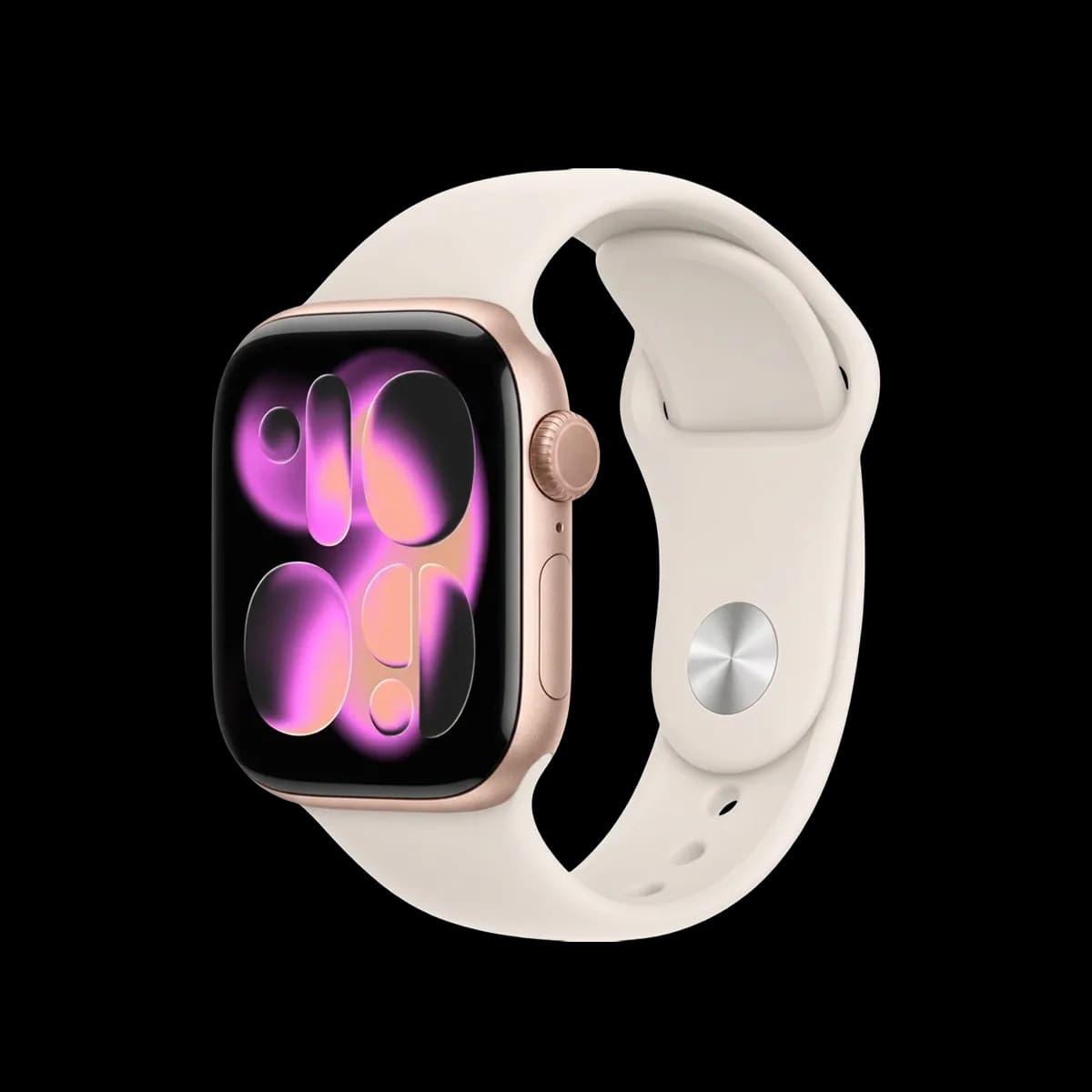
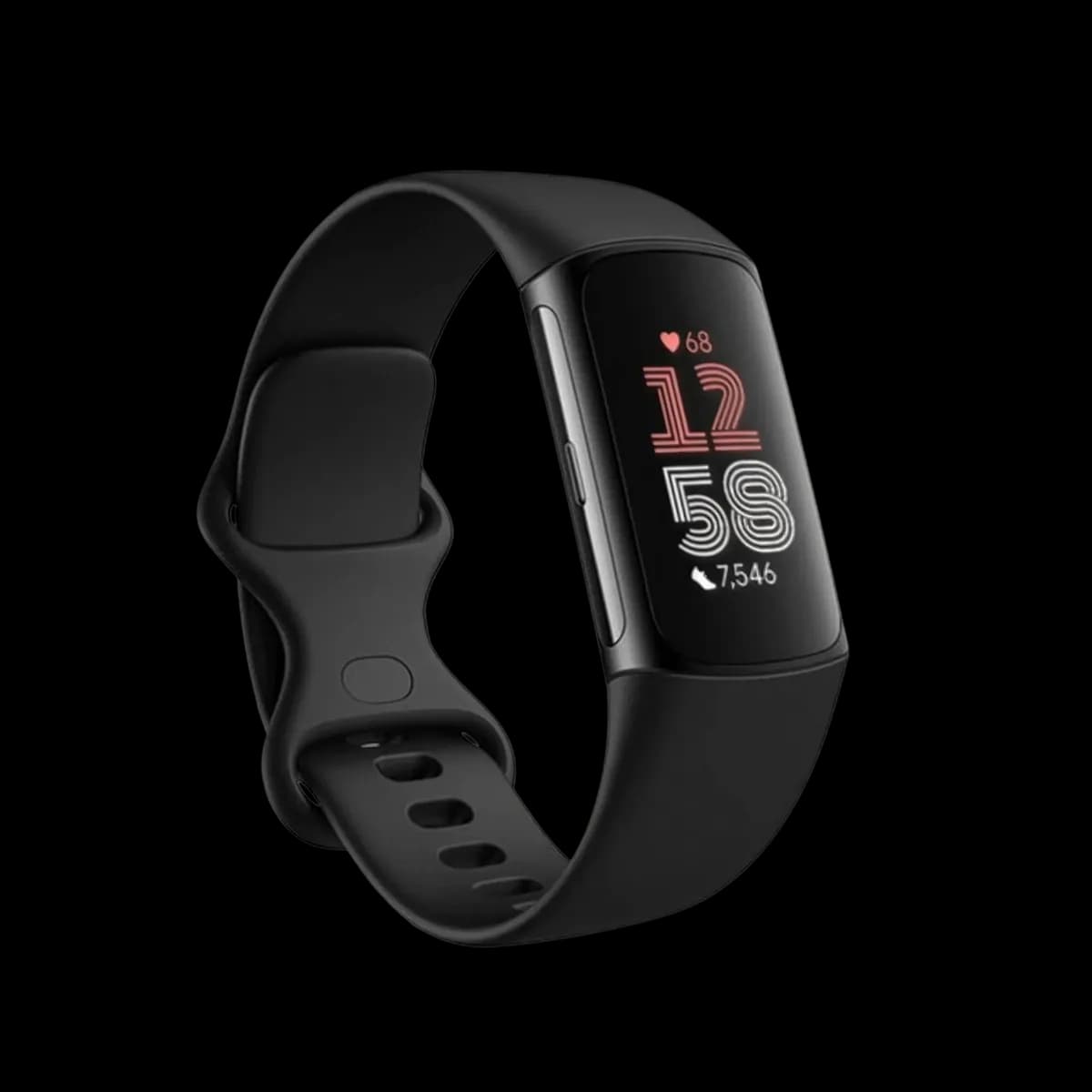
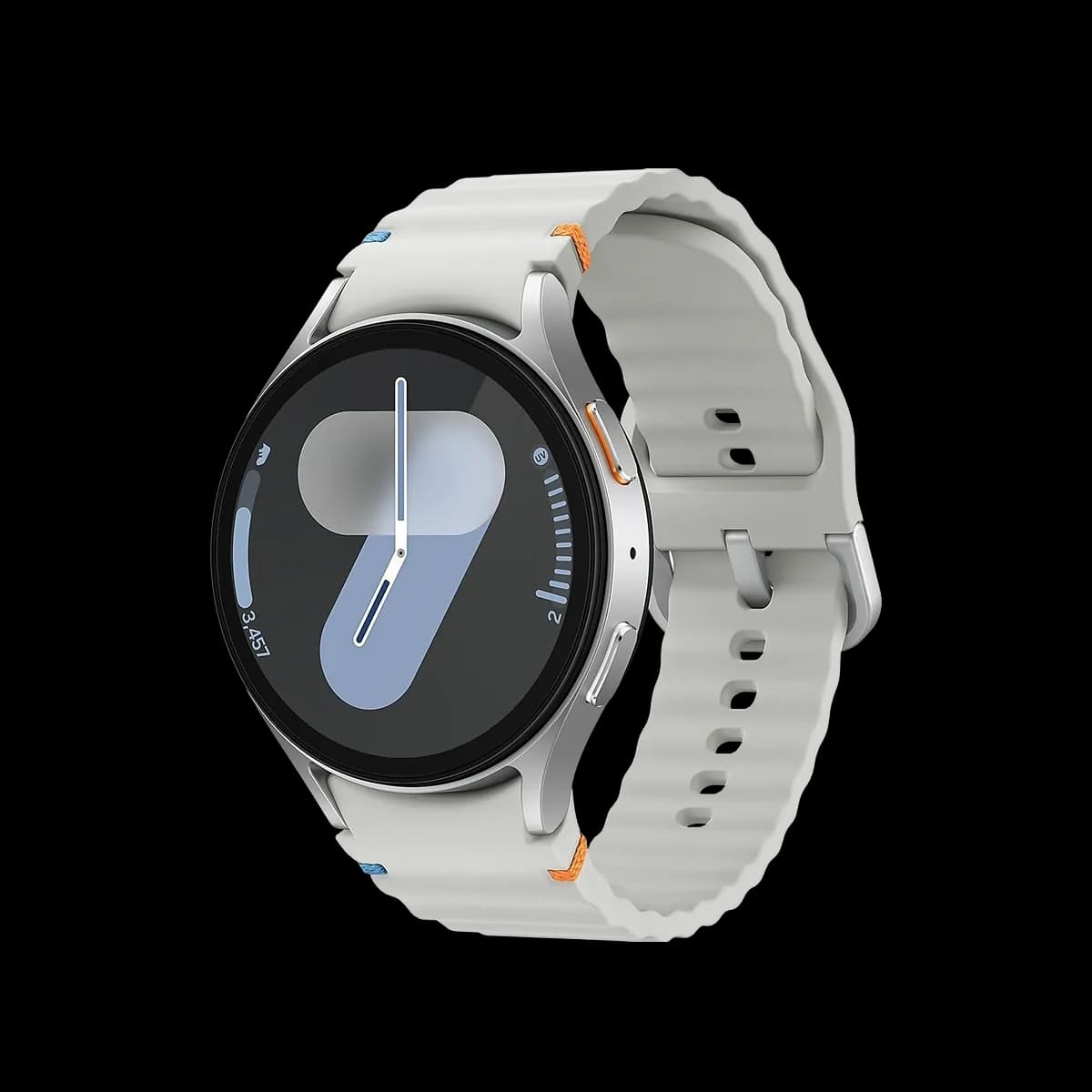
What your smartwatch really knows about your sleep
It cannot see your brain waves. Here is what it measures instead, how close that gets, and which numbers are worth reading in the morning.

Your watch tells you that you got 47 minutes of deep sleep. A sleep lab would need electrodes on your scalp to say that. So what is the watch actually doing, and how much of the number should you believe?
It measures 3 things
- Movement, from the accelerometer. Stillness is the strongest signal that you are asleep at all.
- Heart rate and the variation between beats, read optically from your wrist.
- Skin temperature and blood oxygen, on the models that carry those sensors.
From those it infers stages. The inference is a model trained against real sleep studies, and it is good at the easy question and weaker at the hard one.
What to trust
Total sleep time is close, usually within 15 minutes. When you fell asleep and when you woke is close too. The split between light, deep, and REM is the number to hold loosely: independent studies put stage agreement somewhere around 60% against a lab, and no 2 manufacturers draw the lines in the same place.
Read the trend across a month, not the score on a Tuesday. The trend is where a wrist sensor is genuinely useful.
The number nobody looks at
Resting heart rate overnight is the most reliable thing on the screen and the least discussed. It rises before you feel a cold coming, after a late meal, and after a drink. If you only check 1 figure in the morning, check that one.
And if a sleep score is making you anxious about sleeping, turn it off. That is a documented effect with a name, and no wearable is worth it.
Hana Lim
Wearables editor
Covers watches, rings, and everything else that measures you. Reads the methodology before the marketing.