Oak, walnut, or ash: picking the wood for a piece
Every frame we build is 1 of 3 woods, and the choice between them is mostly a choice of color, with 2 practical differences underneath.
By Callum Reid2 min read
Materials / Wood
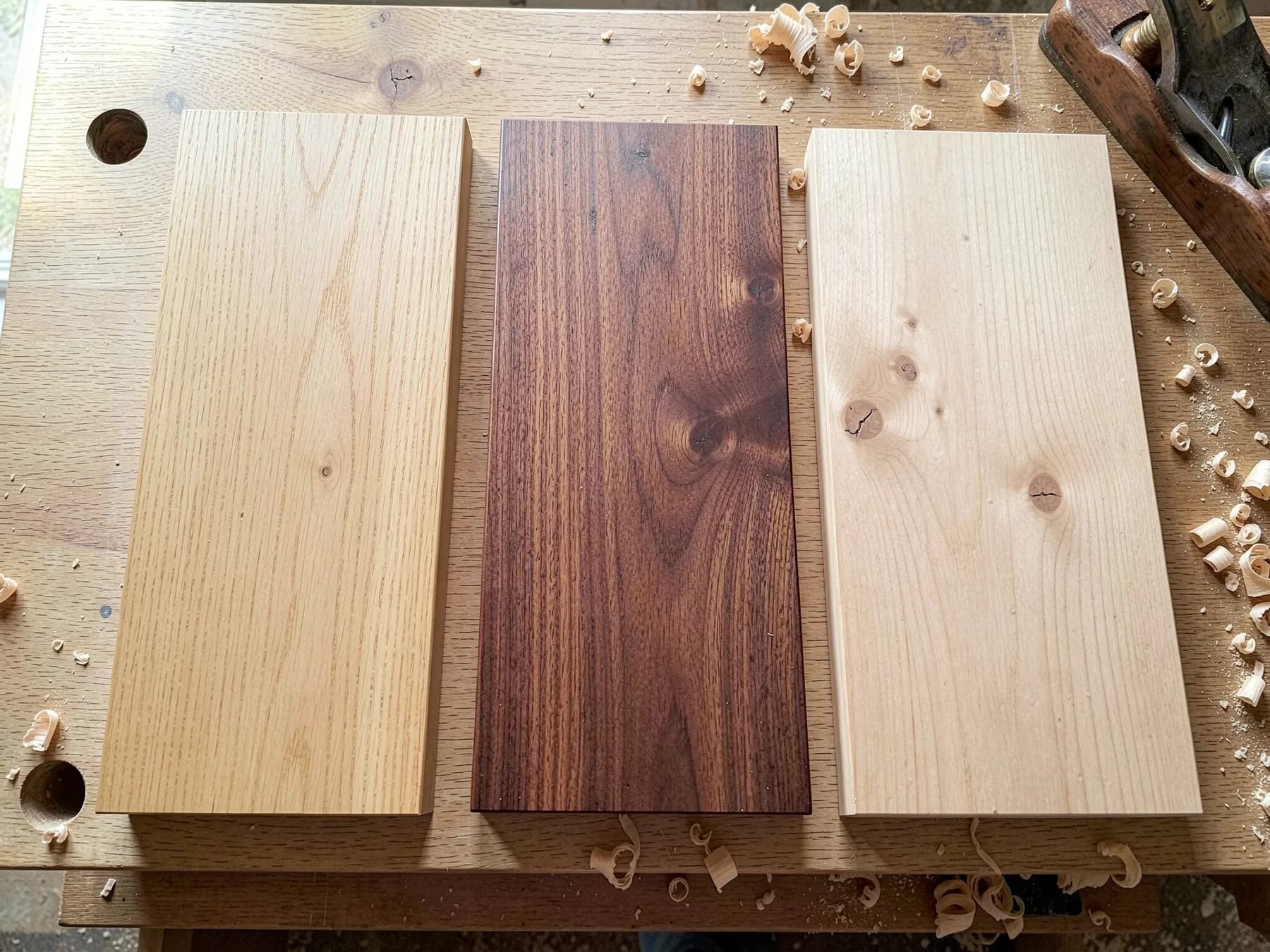
Here they are side by side, straight off the bench, with what each one is for.
Oak
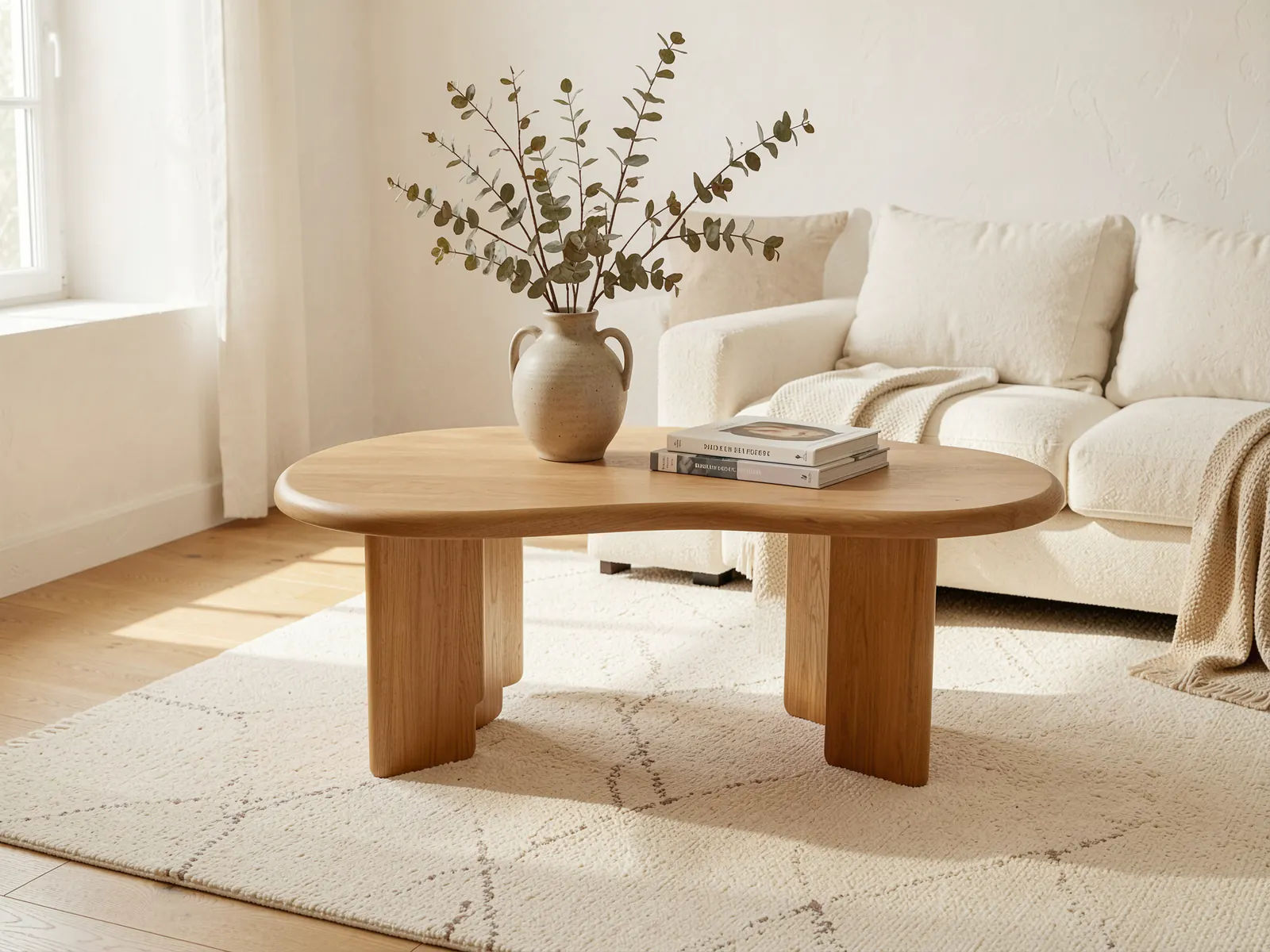
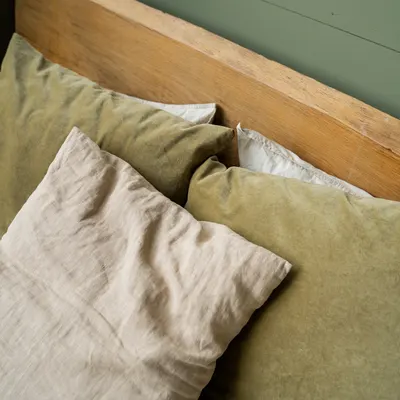
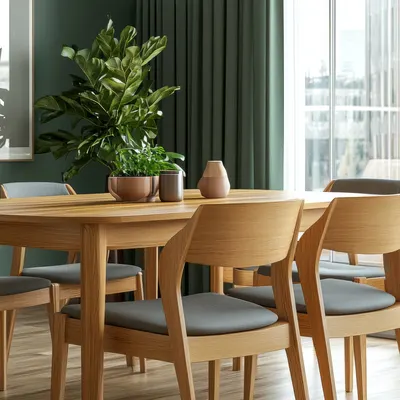
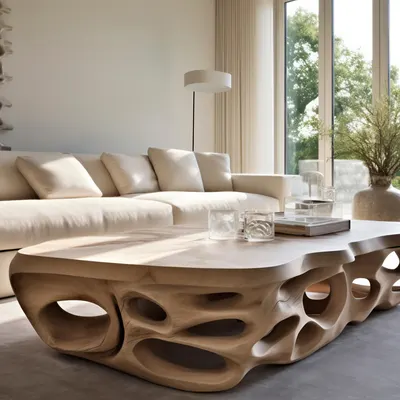
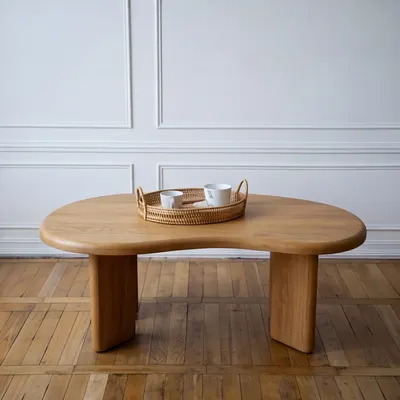
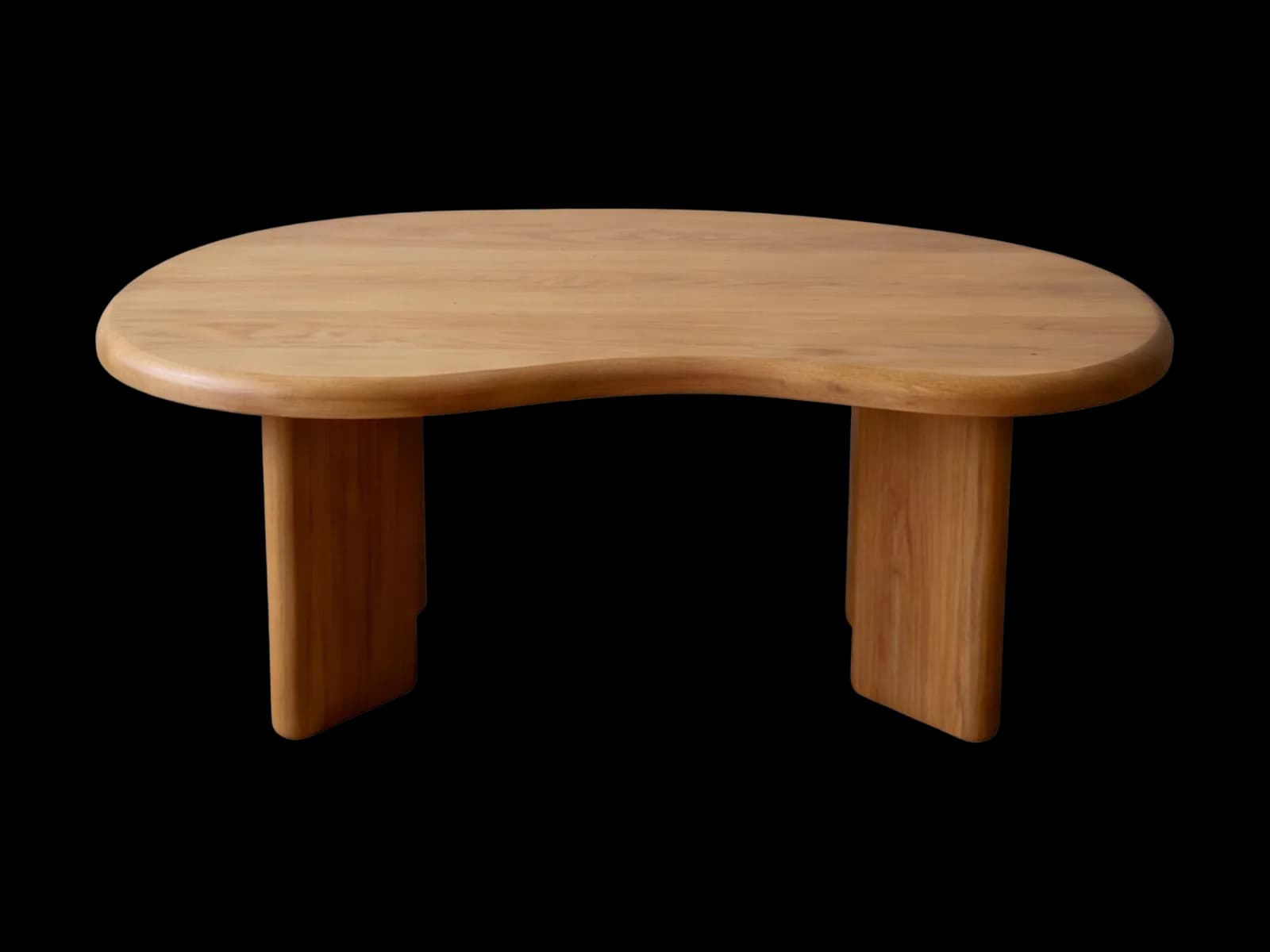
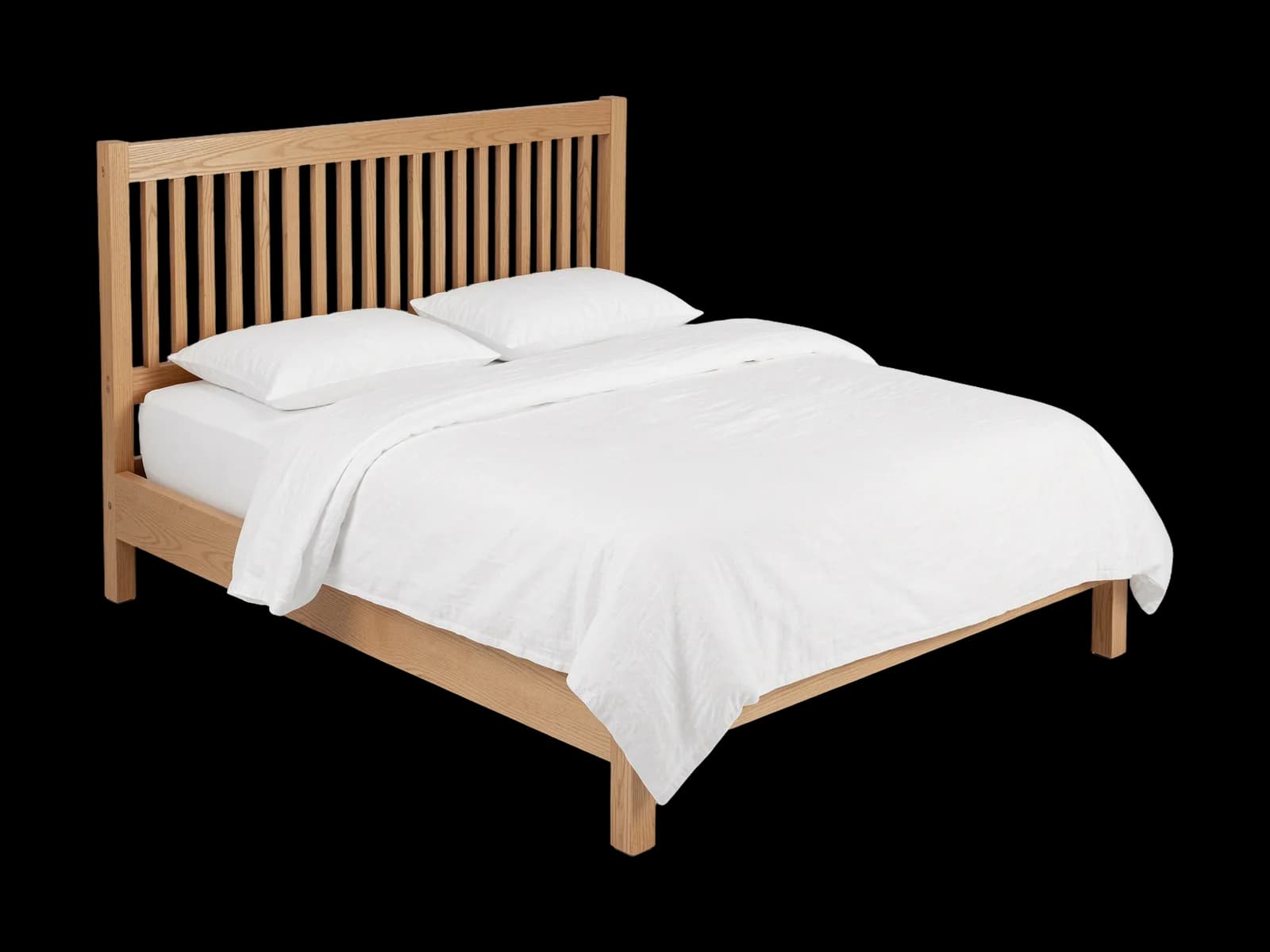
Oak is the pale one, with an open grain you can feel with a fingertip and the small silver flecks of a quarter-sawn board. It is hard, stable, and the wood most of the range is cut from, because it takes a knock without showing it. Oiled, it goes a shade more golden each year. The Dune coffee table and the Aspen bed are oak.
Walnut
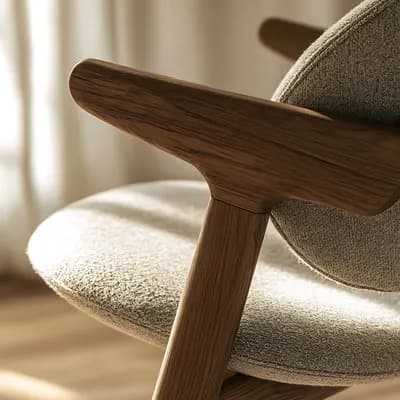
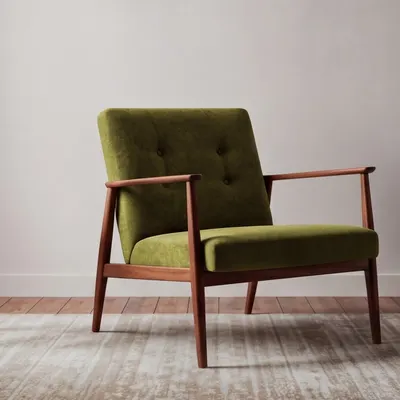
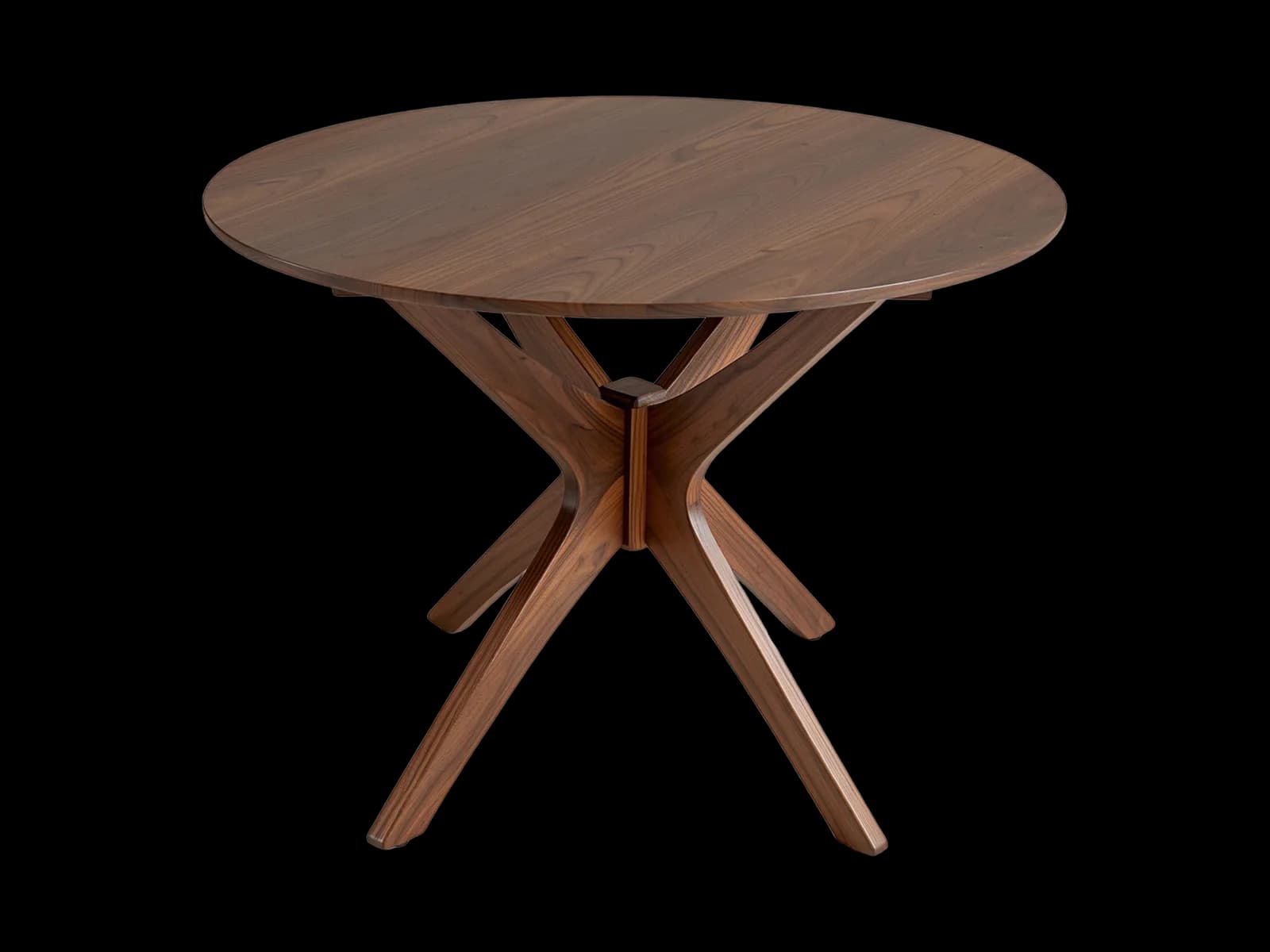
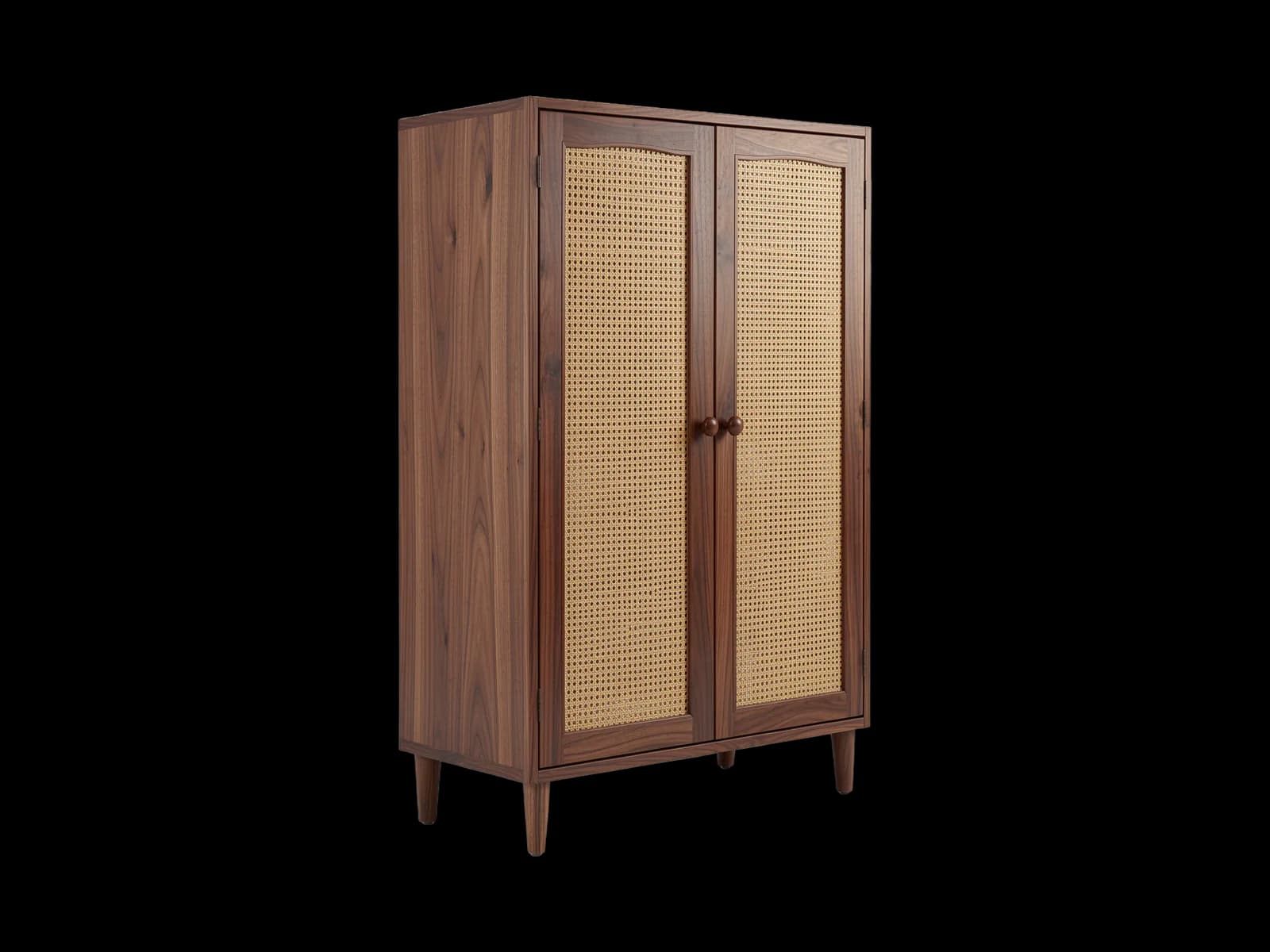
Walnut is the dark one, chocolate brown with a purple cast when it is fresh, settling to a warm brown over the first year. It is a little softer than oak and a lot more expensive, because the trees are smaller and slower. It is the wood for a piece you want to read as the room’s dark note: the Minday dining table, the Cana wardrobe.
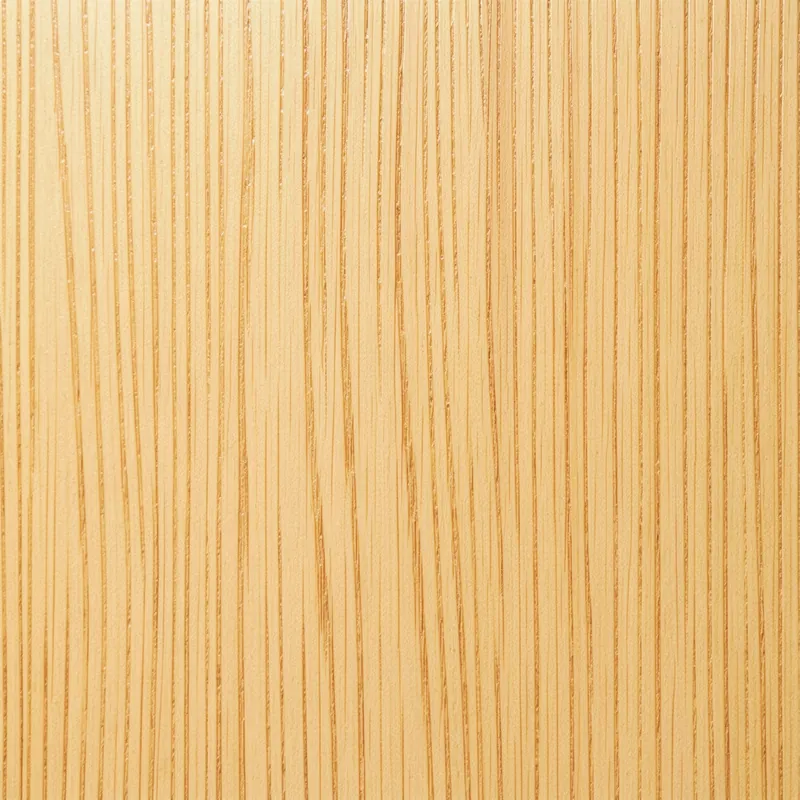
Ash
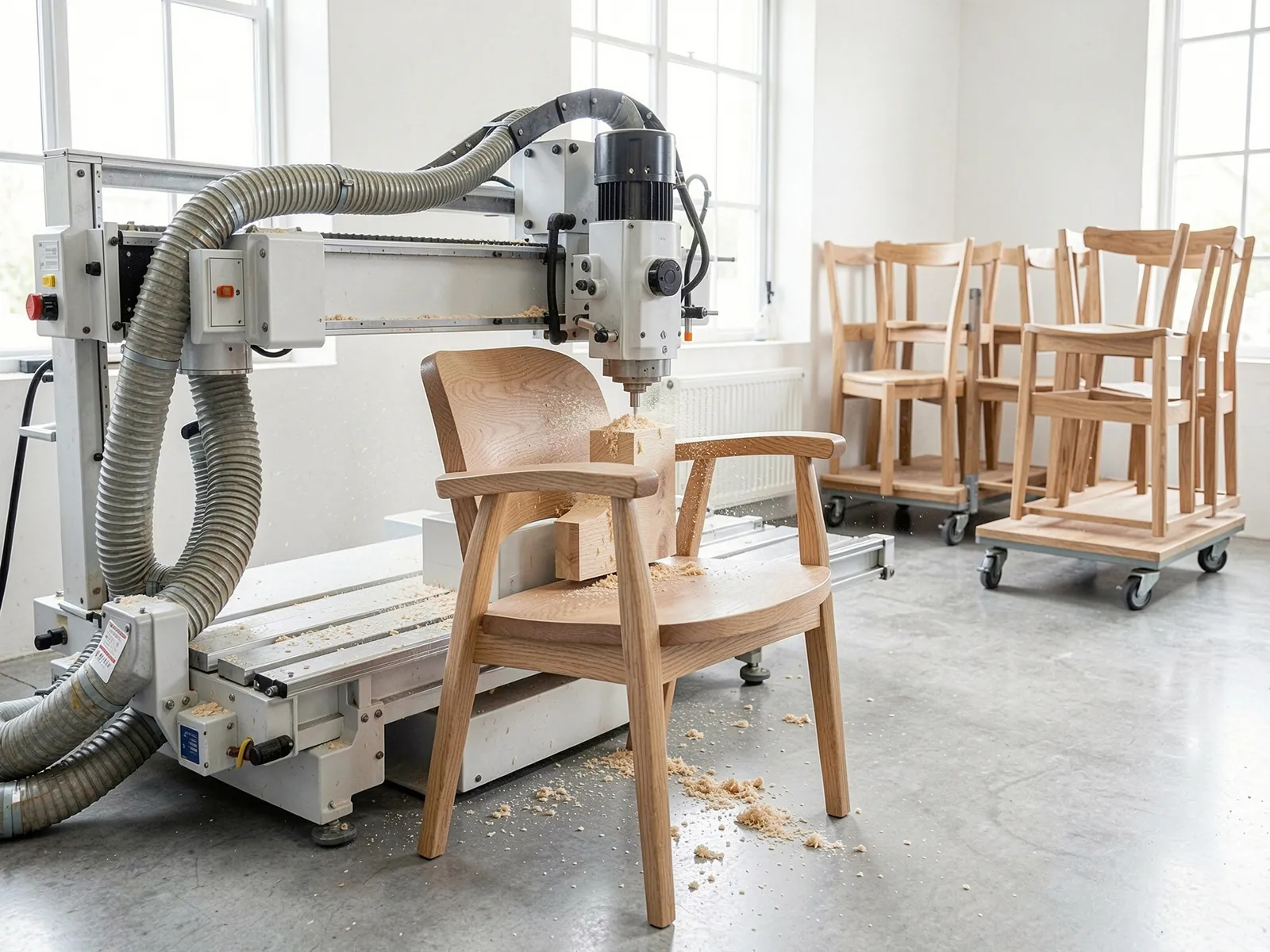
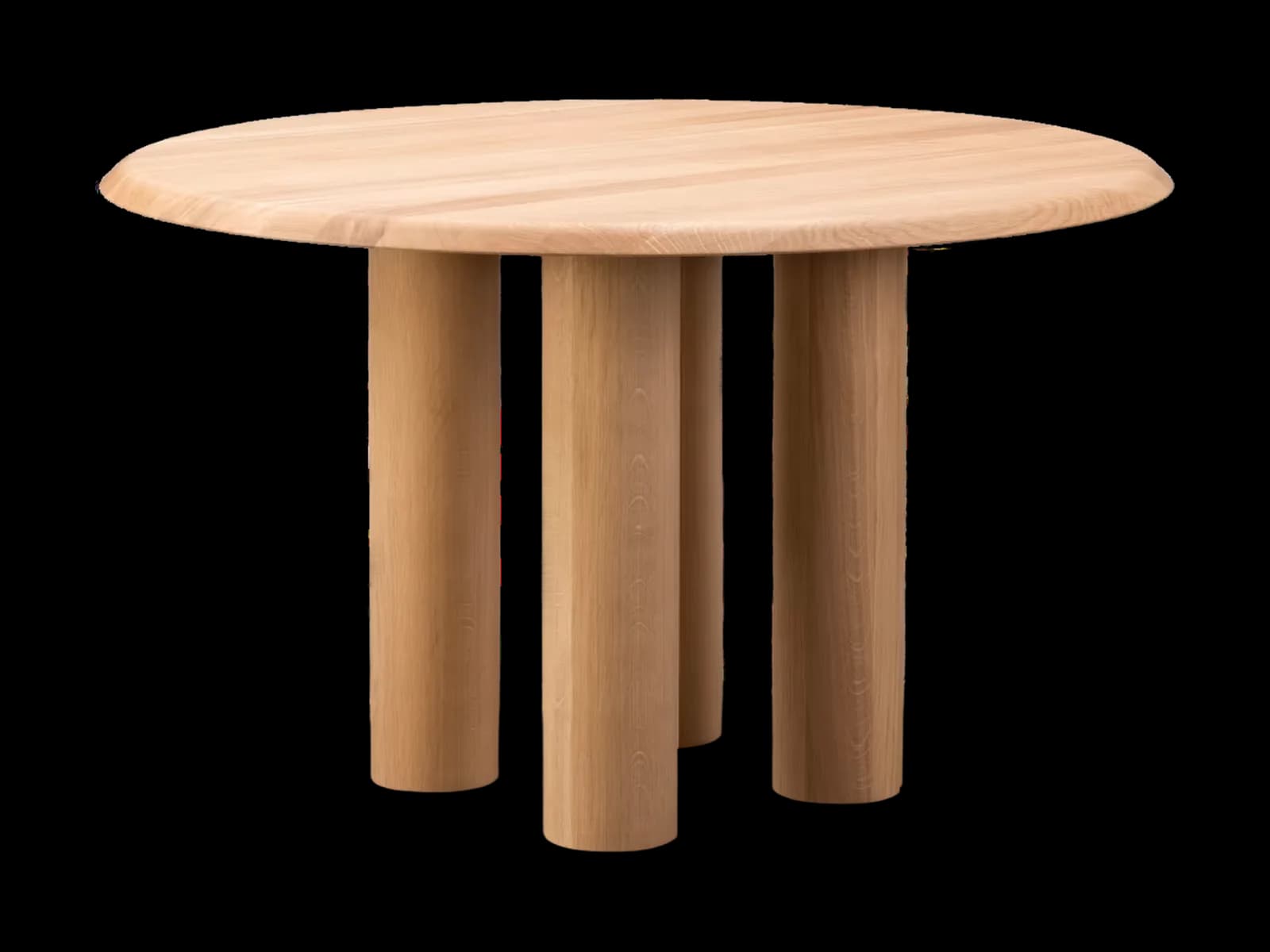
Ash is the pale one with the bold grain: wide, wavy bands of light and dark that oak never has. It is as hard as oak and bends better, which is why it is the wood for curved parts. On its own it can look busy, so we use it for small pieces where 1 board shows, like the Pillar side table.
The 2 differences that are not color
- Hardness. Oak and ash dent less than walnut. For a dining table that takes keys and pans, that matters; for a wardrobe, it does not.
- Sun. Walnut lightens in direct sun and oak darkens, so a walnut table by a window changes most. Turn it twice a year, like a plant.
Mixing them
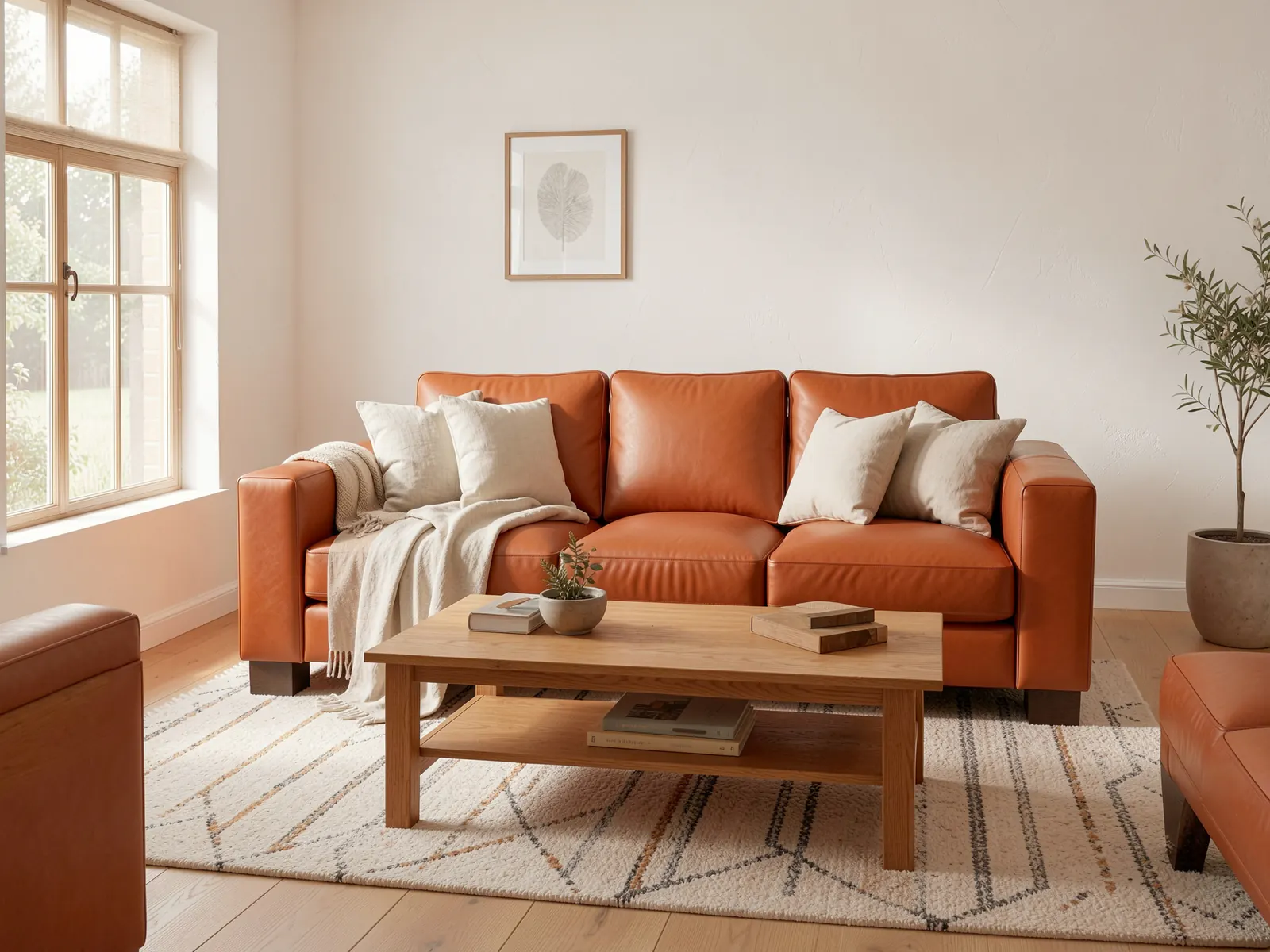
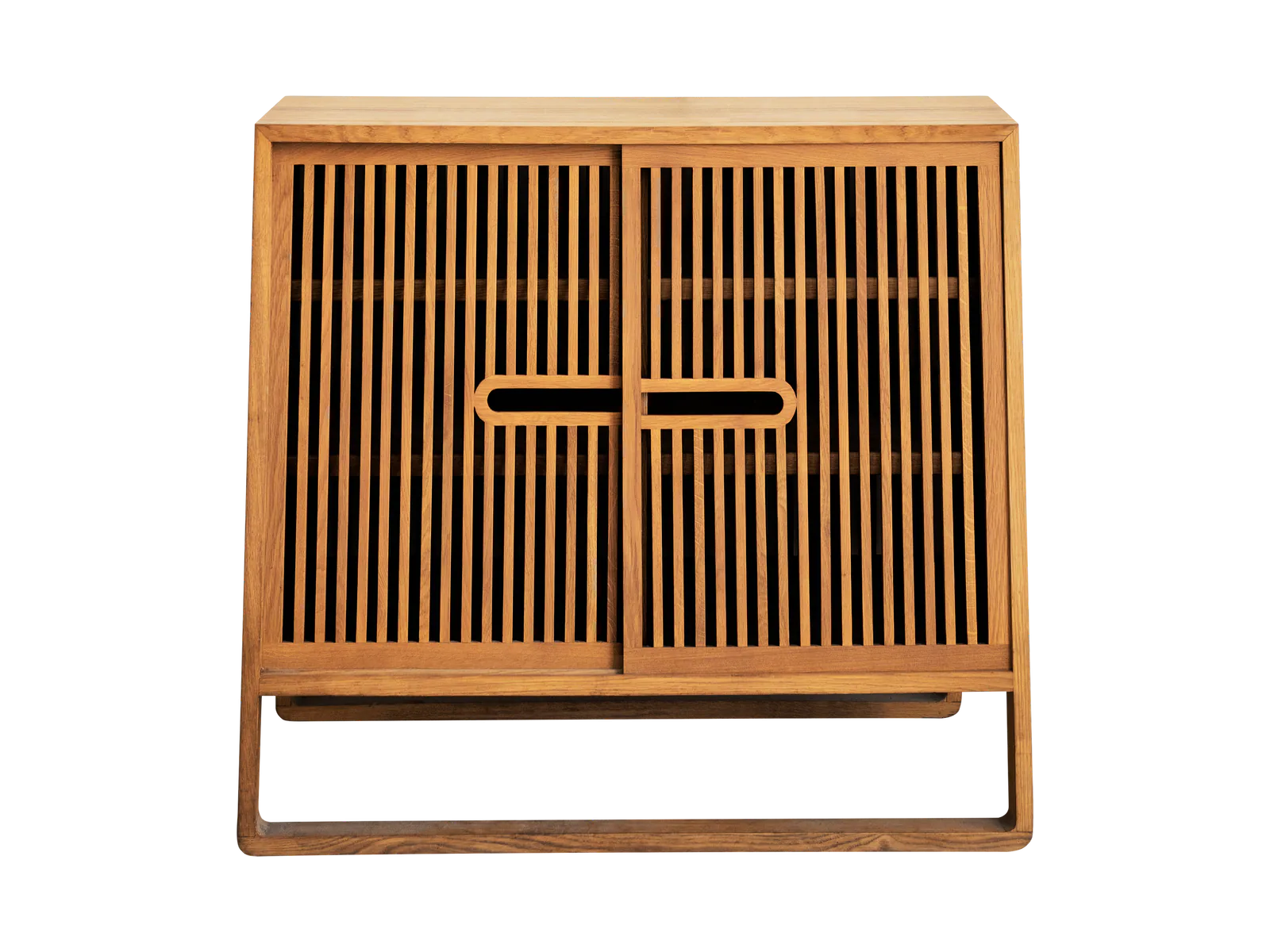
One wood per room is the safe rule and a dull one. 2 is fine if 1 of them is clearly the lead: an oak room with a walnut sideboard, or the Haru sideboard’s teak against oak chairs. 3 is a timber yard.