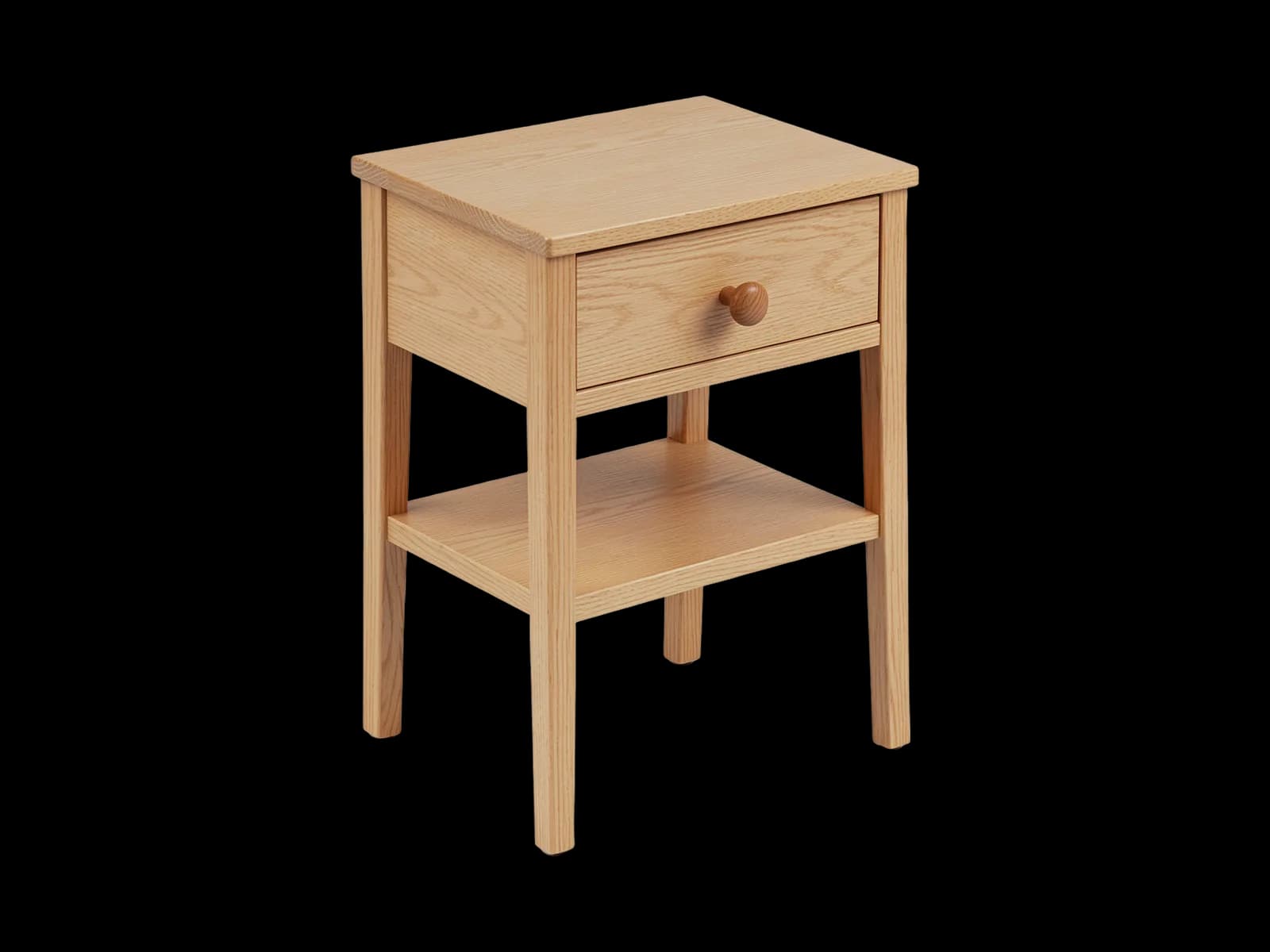
The first year of an oak table
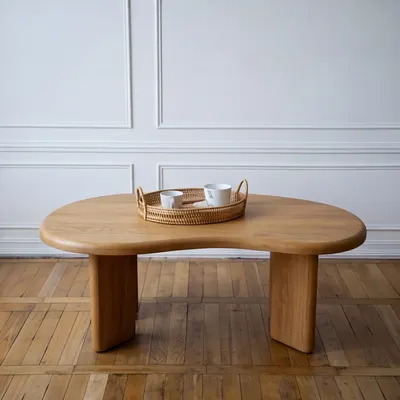
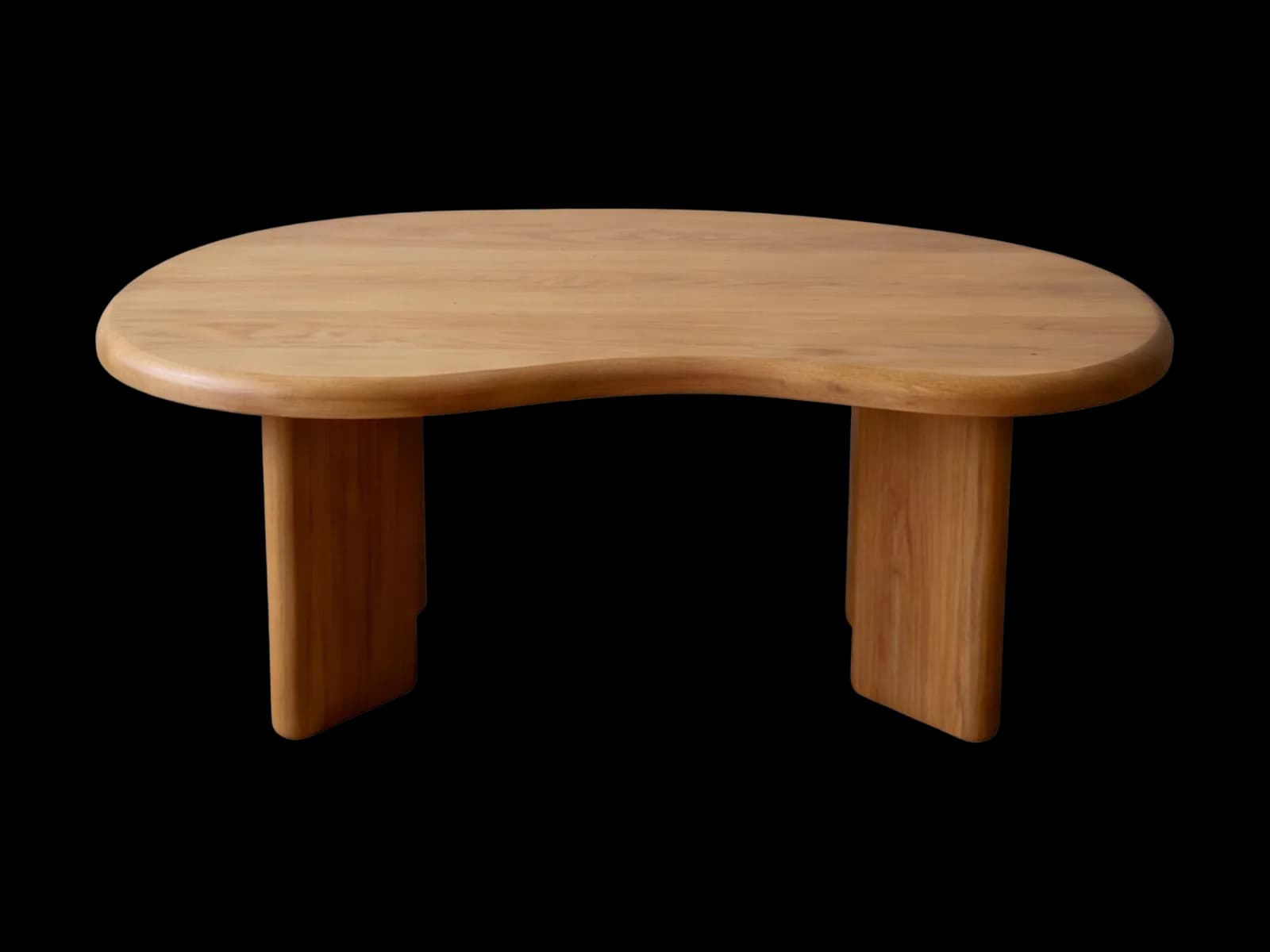
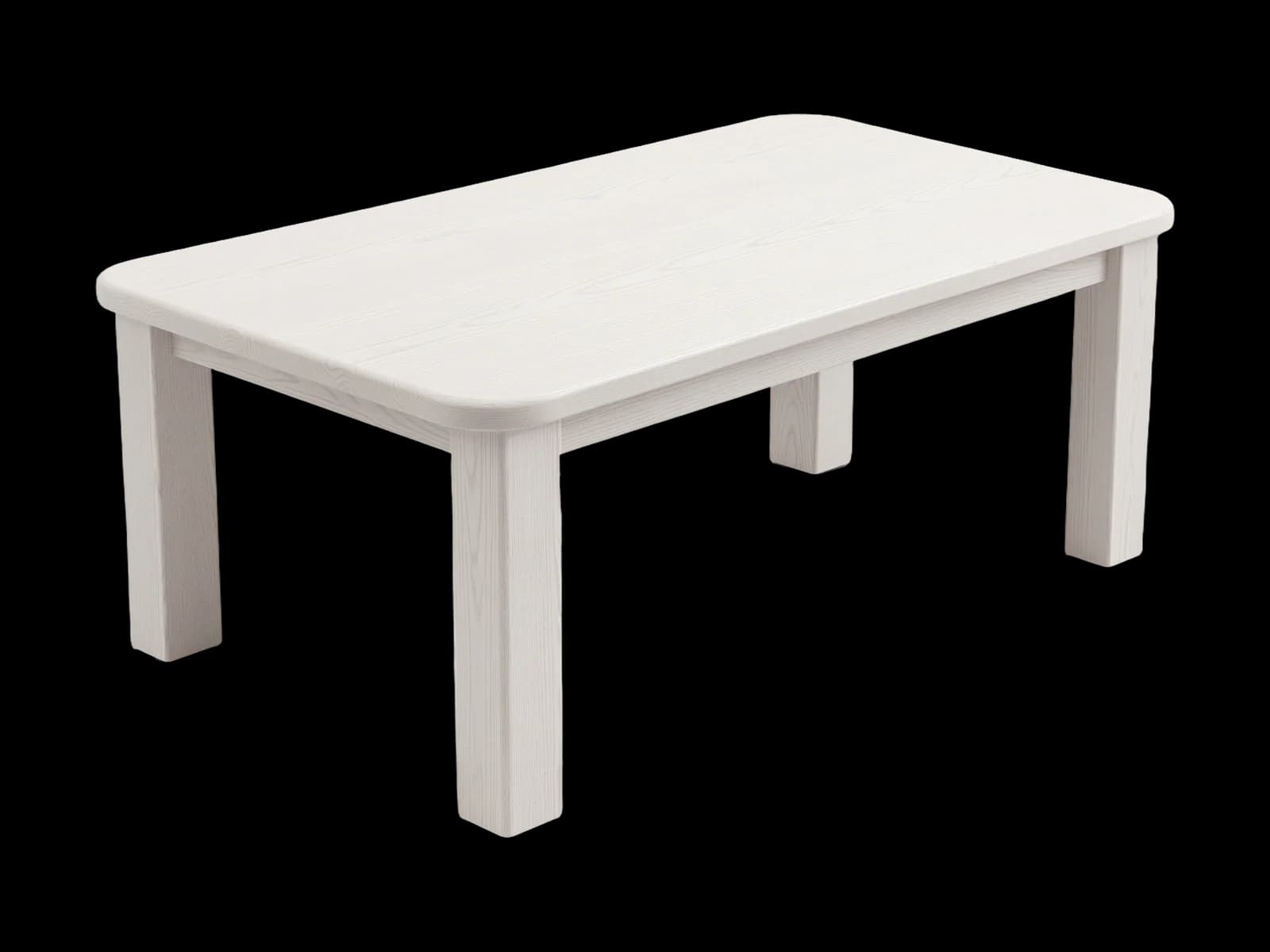
An oiled oak table arrives pale and dry-looking, and the first question we get is whether something is wrong with it. Nothing is. This is what happens to it over the first year.
By Callum Reid2 min read
Care / Wood
Weeks 1 to 4: it darkens
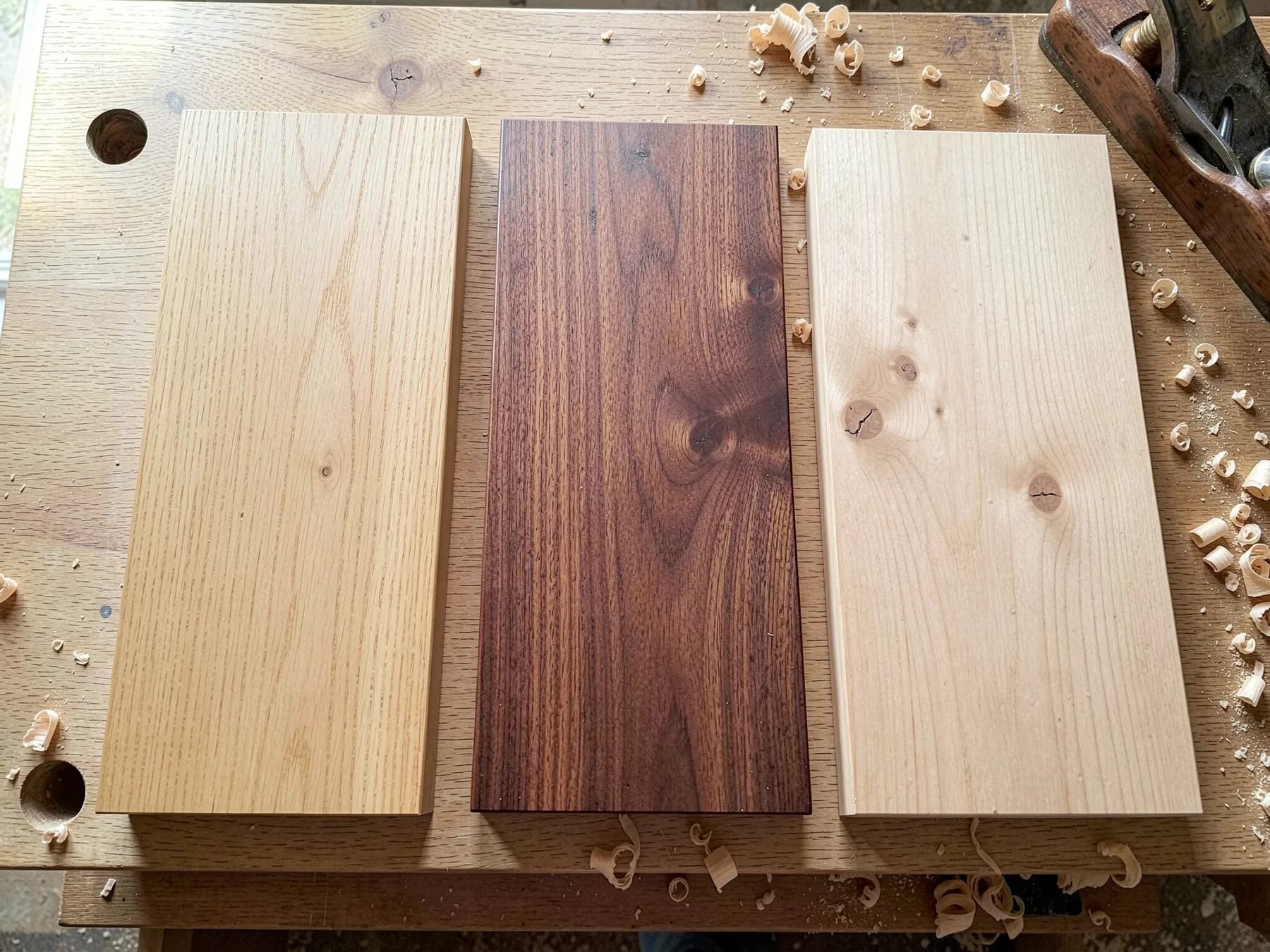
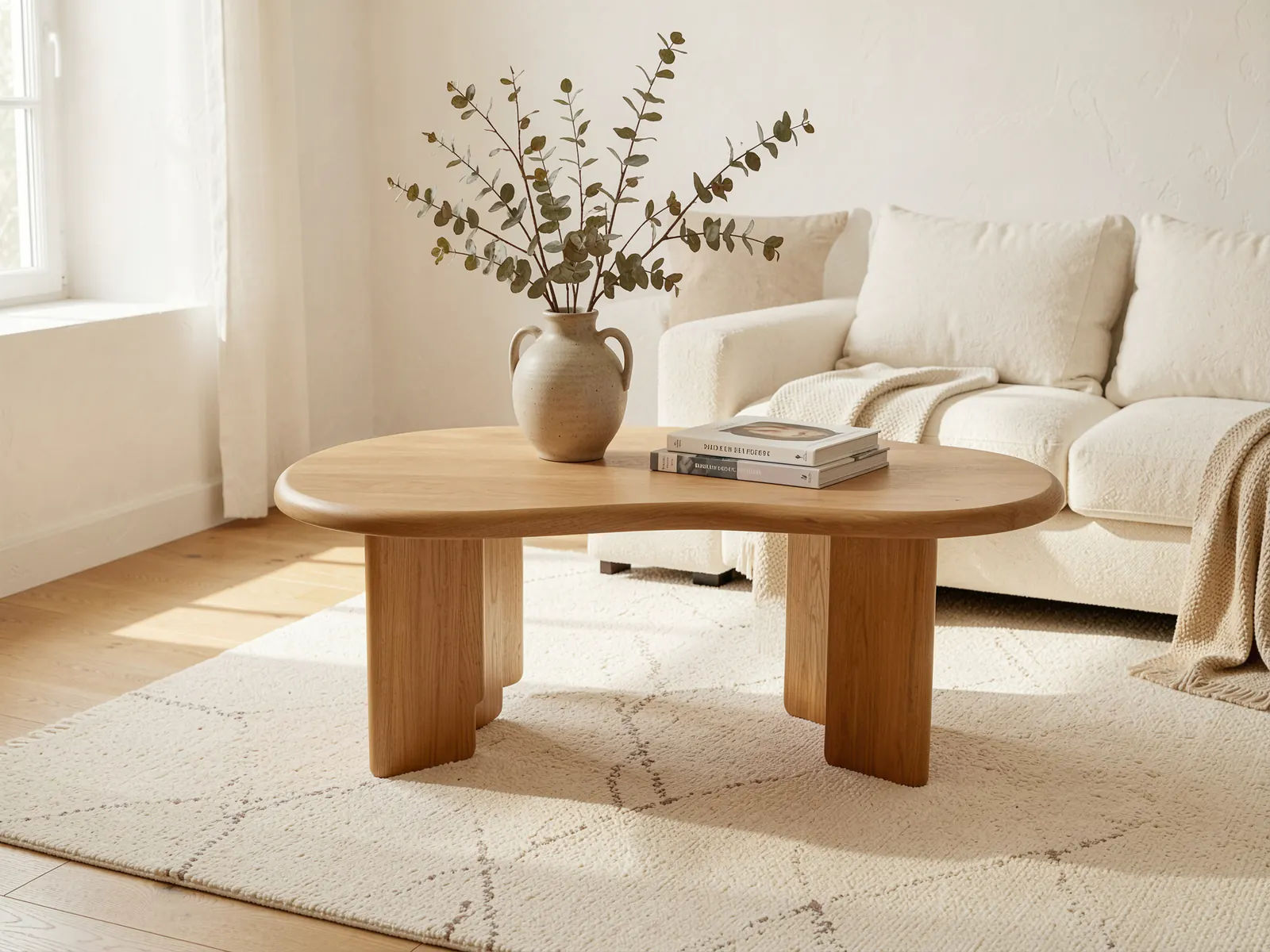
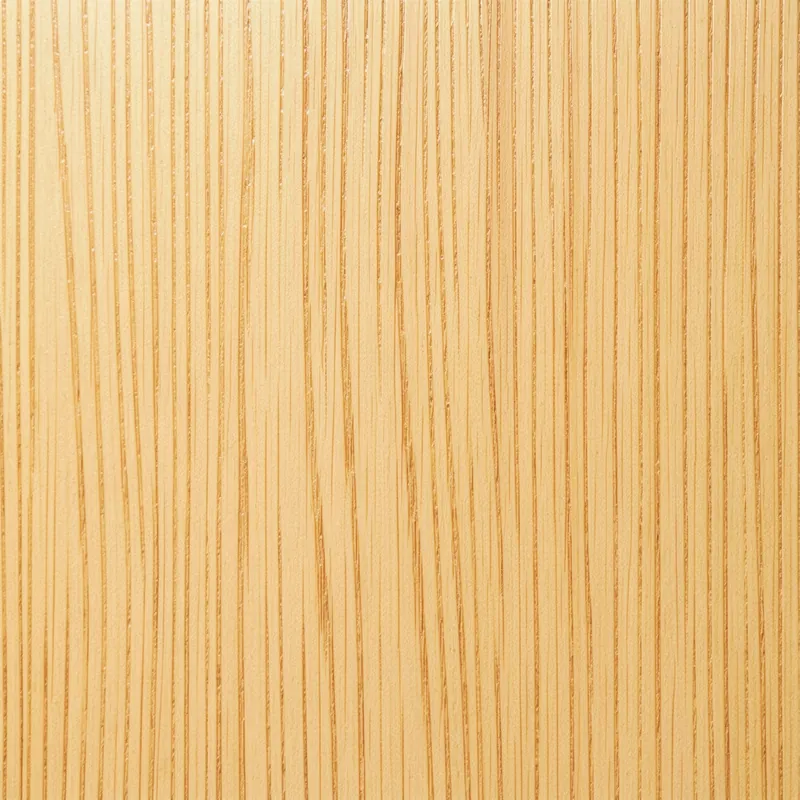
Oak oxidizes in daylight. Over the first month the surface goes from the pale, almost gray tone it leaves the workshop in to a warm honey, and it keeps going slowly for about a year. A bowl left in the same spot for the first month leaves a pale circle. Move things around until the color has settled.
Month 2: the first ring
Someone will put a hot mug down. Oil is not a seal, so water and heat get into the grain and leave a white mark. Let it dry fully, then rub it with a cloth and a little of the oil we sent with the table. It is gone in 5 minutes. A lacquered table would carry the ring for life; that is why we oil.
Month 6: it feels dry
The oil wears off where hands and plates are, and the table looks dull in those spots. That is the time for the first re-oil: a thin coat with a cloth, left 20 minutes, wiped off, left overnight. Twice a year is the rhythm for a dining table, once for a coffee table or a bed frame.
Month 12: it is yours
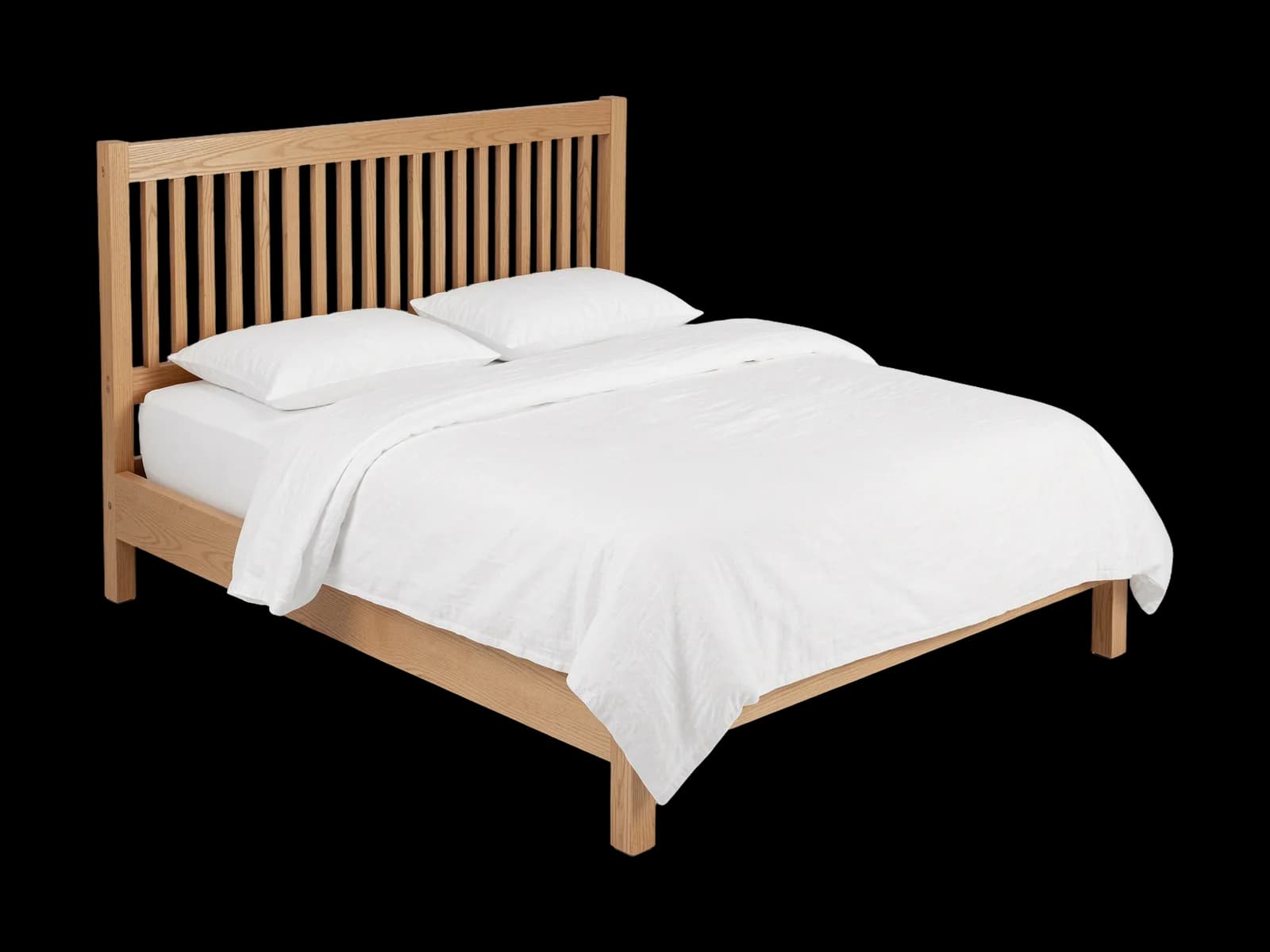
By the end of the year the color has settled, the surface has a few marks only you can find, and the table has stopped being new. From here on it needs the 2 oilings a year and a dry cloth. The Aspen bed and the Nils bedside table are the same wood with the same finish, and need less, since nobody eats off them.
- Never a wet cloth. A damp one, wrung out, then dry.
- No silicone polish. It sits on top of the oil and the next coat will not take.
- Coasters for the first year, then as you like.
- Out of direct sun if you can, or turn it every few months so it colors evenly.