Phones are lasting longer, and the industry has noticed
The average phone is kept nearly 4 years now. That single number explains most of what changed in this year’s launches.
Daniel ReidMobile editor
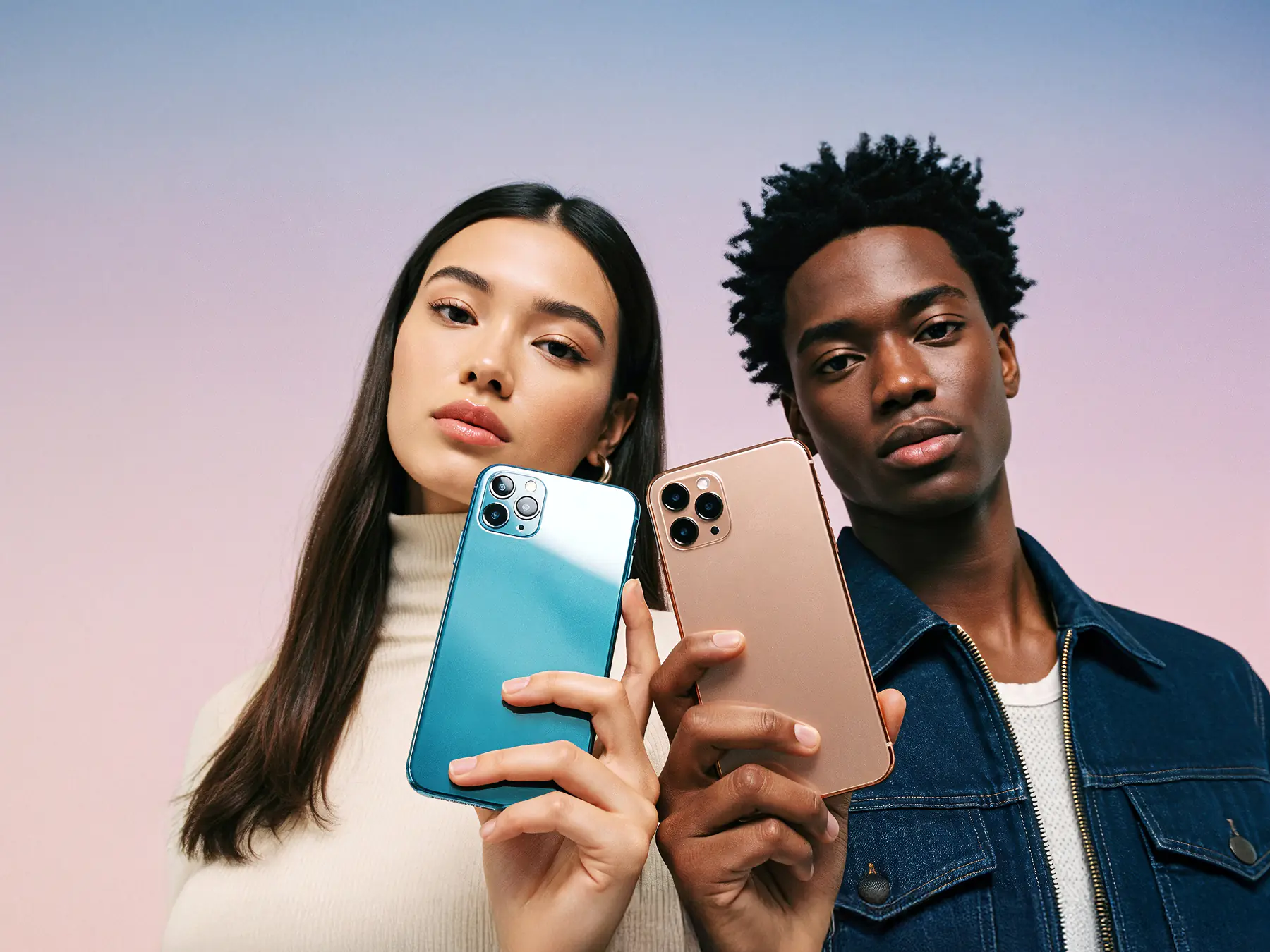
A decade ago people replaced a phone every 22 months. It is closer to 46 now. Nothing about that is a consumer revolt: phones simply got good enough that the reason to replace one stopped being obvious.
What manufacturers did about it
- Longer software support. 7 years of updates is the new baseline at the top end, and it is a sales argument now rather than a footnote.
- Better trade-in. If the upgrade will not sell itself, the discount has to.
- Batteries you can replace, quietly, because a 4-year-old phone with a tired battery used to become a 4-year-old phone you replaced.
What it means for buying
The mid-range is where the value moved. A phone 1 tier down, kept for 4 years, now beats a flagship kept for 2 on almost every measure that matters, including the one on your bank statement.
Buy for the year you will still be using it, not the week you unbox it.
Daniel Reid
Mobile editor
Follows phones, the software on them, and the slow business of making 2 platforms talk to each other.