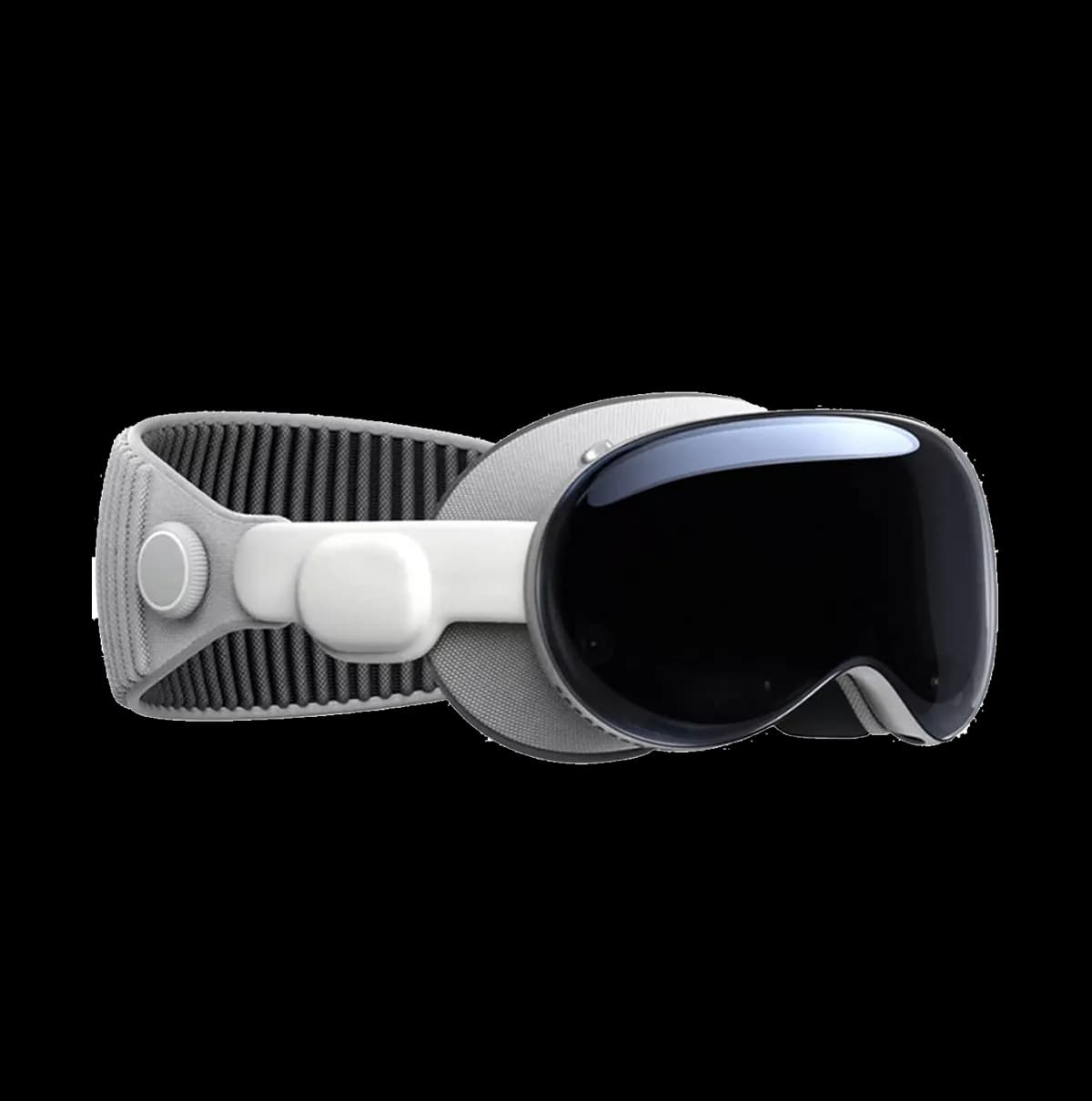
Smart glasses got a recording light, and everyone else got an opinion
The indicator is required, covering it is not allowed, and the rest is being settled 1 posted sign at a time.
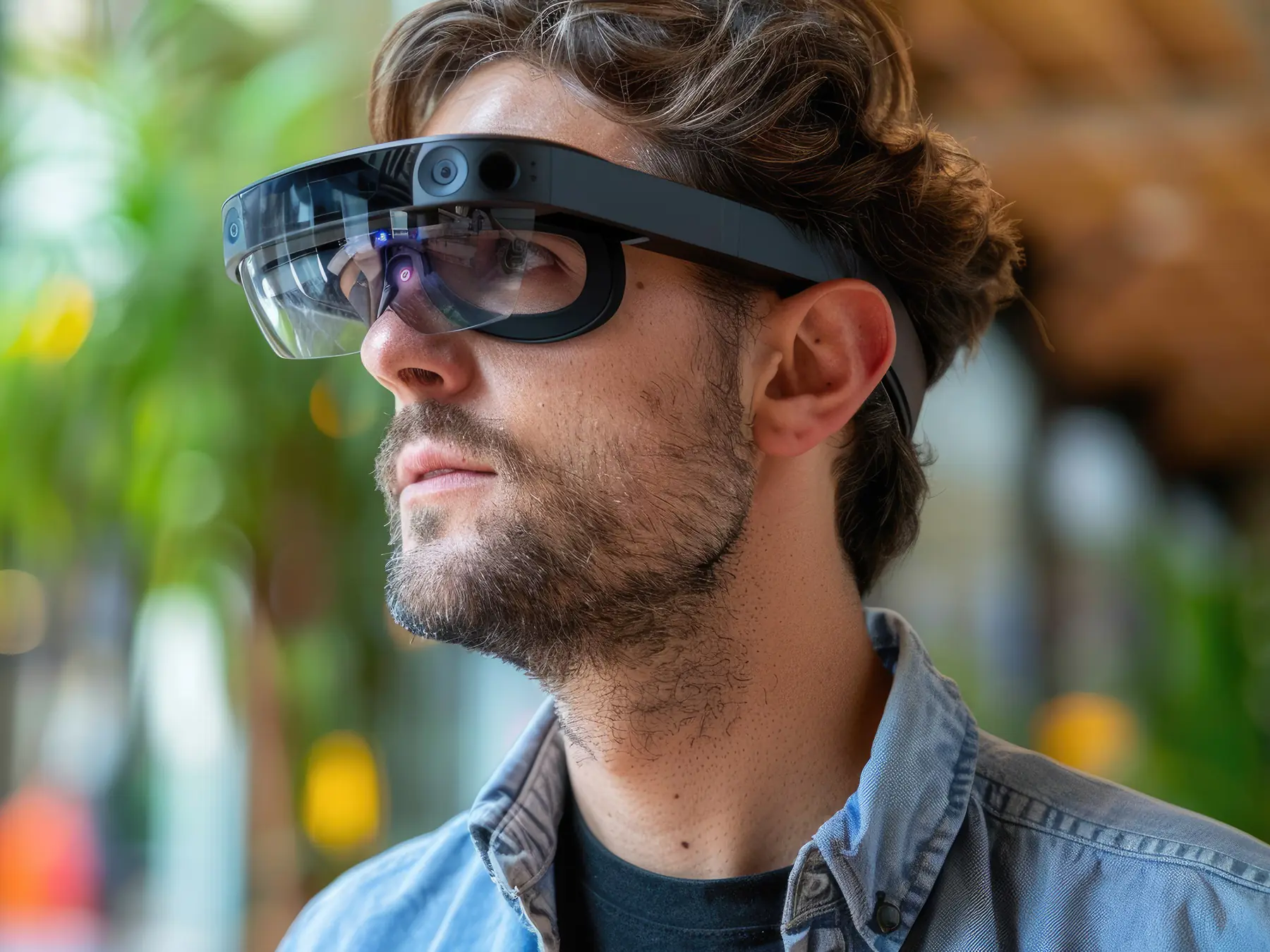
Camera glasses stopped being a curiosity this year, which is exactly when the rules turned up. A few of them are written into law. Most are being worked out by gyms, schools, and bars, 1 sign on a door at a time.
What the law asks of the hardware
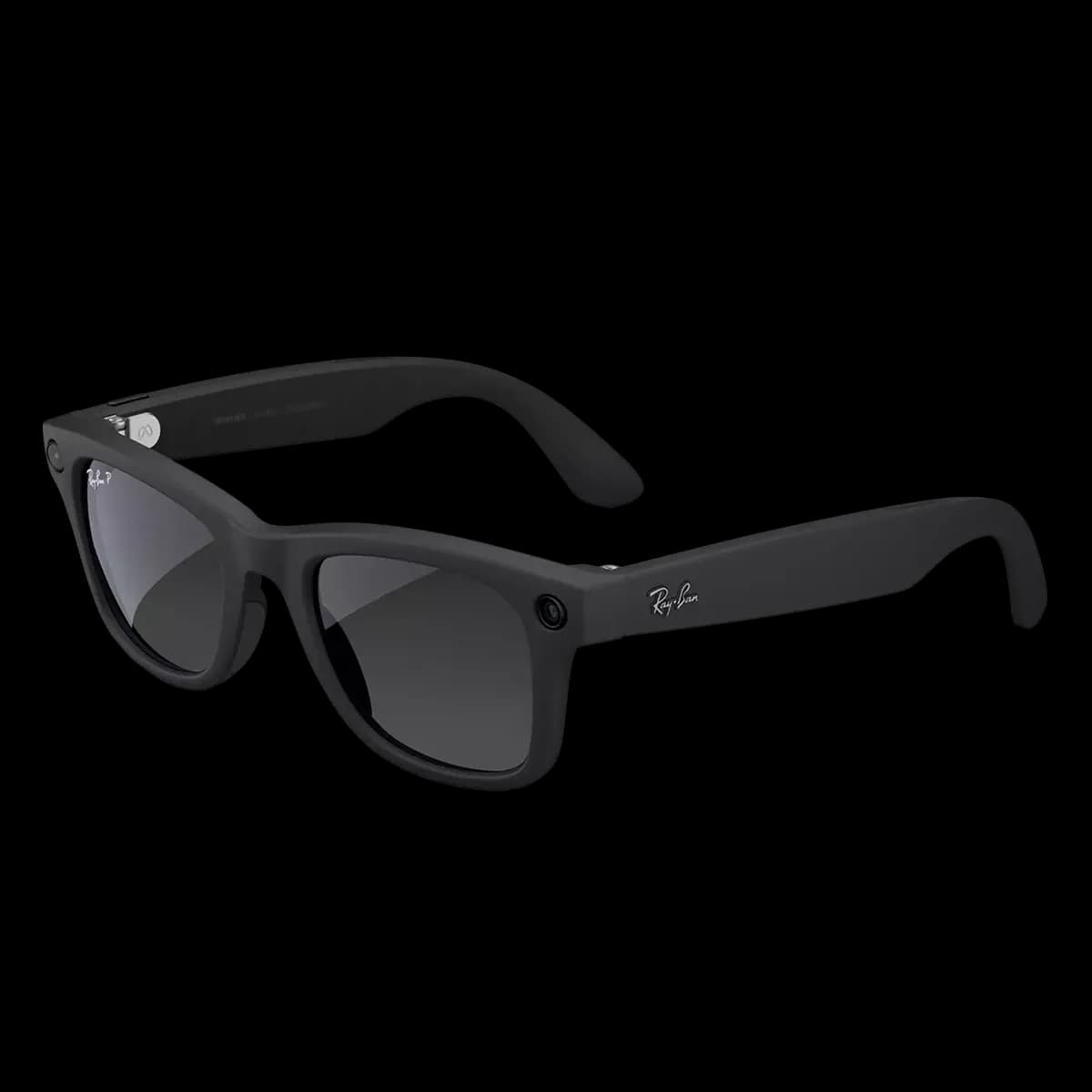
- A capture indicator visible from the front, which software is not allowed to switch off.
- A frame that makes the light awkward to cover, and a warning when something is covering it anyway.
- The consent rules that already existed. Recording a private conversation was illegal before glasses, and a camera in a temple arm changes nothing about that.
- No face recognition on consumer models. That is the line regulators drew first, and the one they have not moved.
The venues moved faster
Gyms and pools ban them outright, which is a changing-room policy rather than a technology one. Schools treat them as phones, cinemas treat them as cameras, and a lot of bars now ask you to take them off at the door. None of that waited for a parliament, and none of it is going to be undone by one.
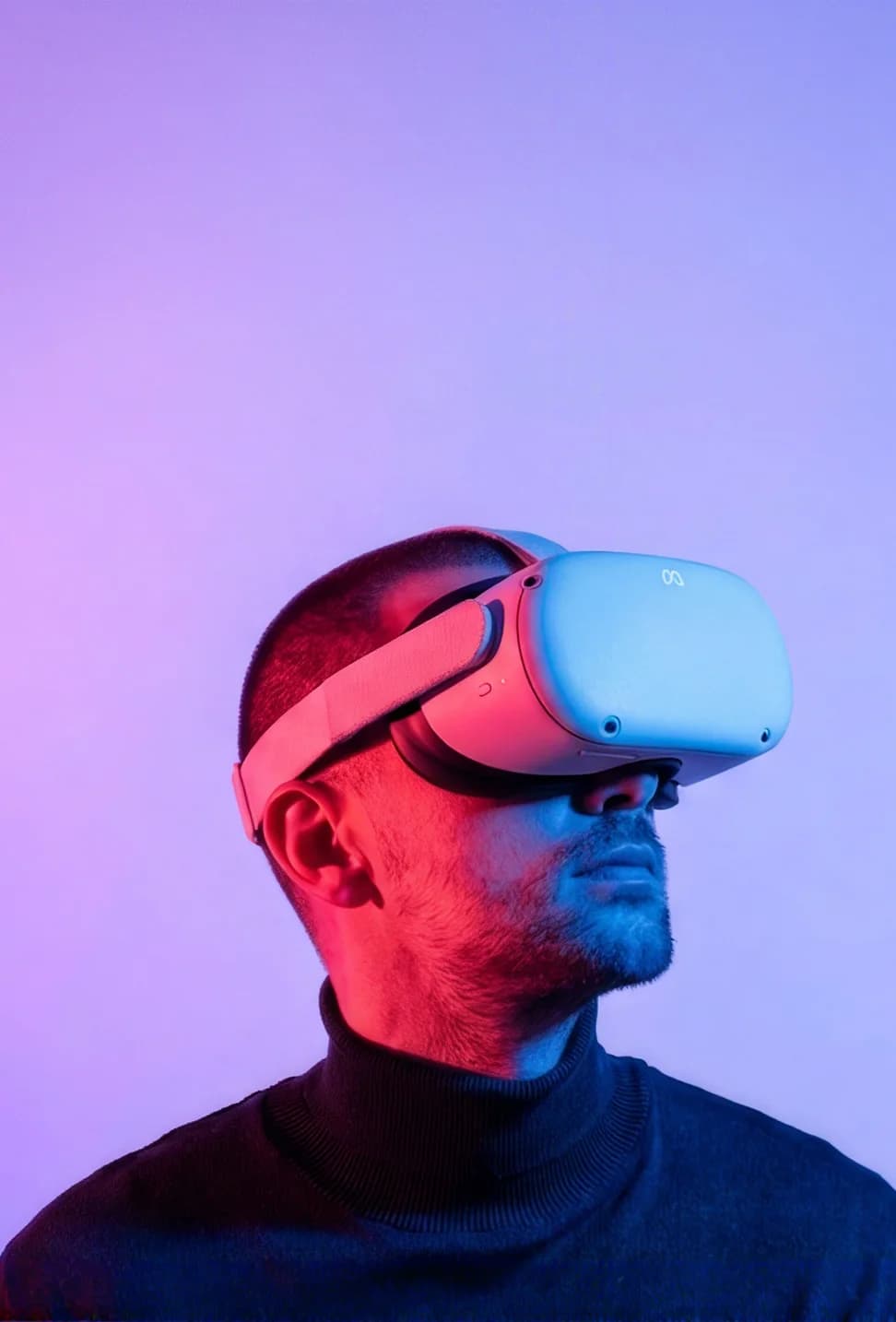
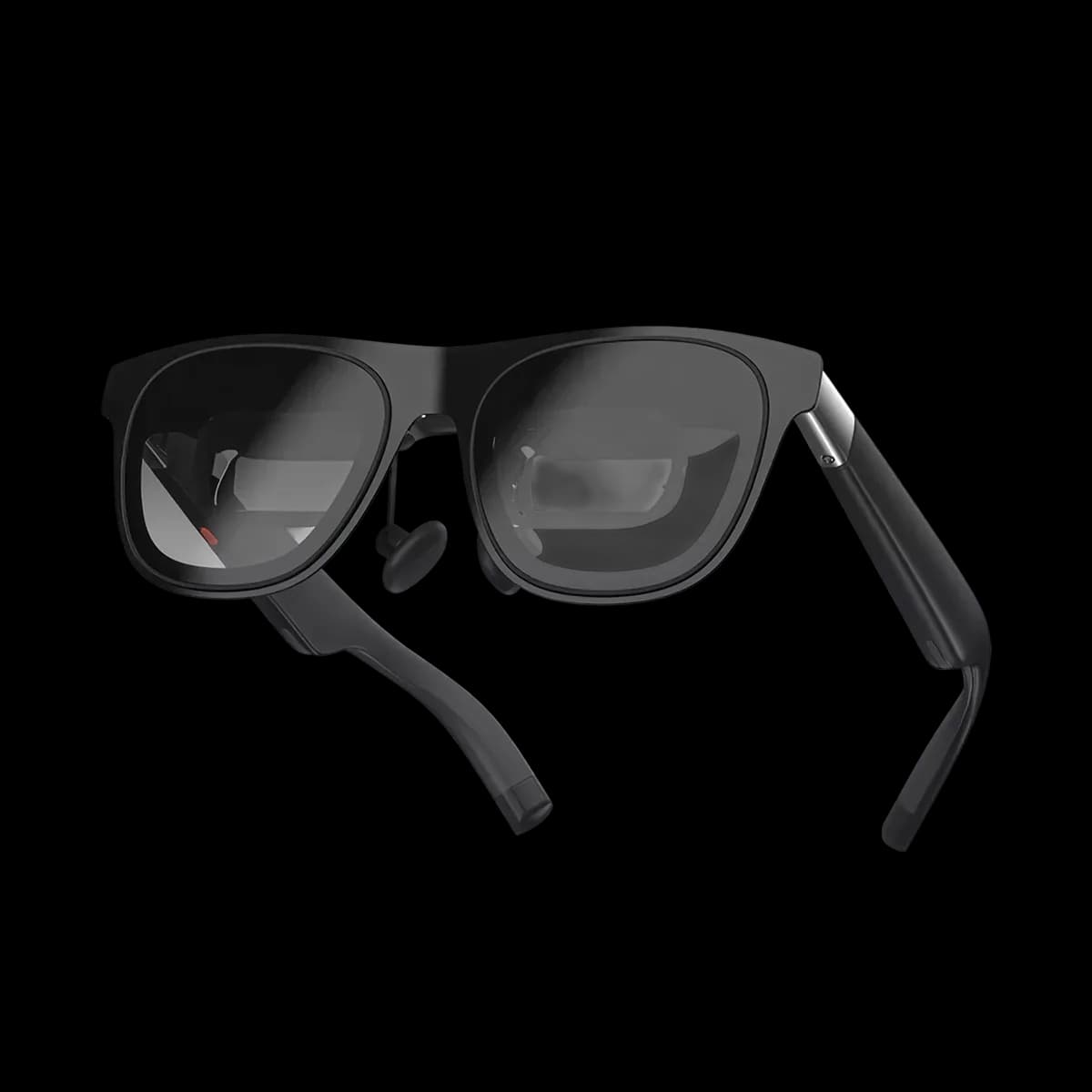
Which pair you own matters less than people assume, socially. The Ray-Ban Meta glasses and a Vision Pro both record and both light up while they do. The Xreal One Pro has no camera at all, and still gets asked about at the door, because a stranger cannot tell the difference across a room.
The light is doing a job your manners used to do. Say what you are wearing before somebody has to ask.
Hana Lim
Wearables editor
Covers watches, rings, and everything else that measures you. Reads the methodology before the marketing.