The number that decides your drone rules is printed on the box
Weight, a class label, and a broadcast ID. The rules are in force, and most of them are settled before you fly.
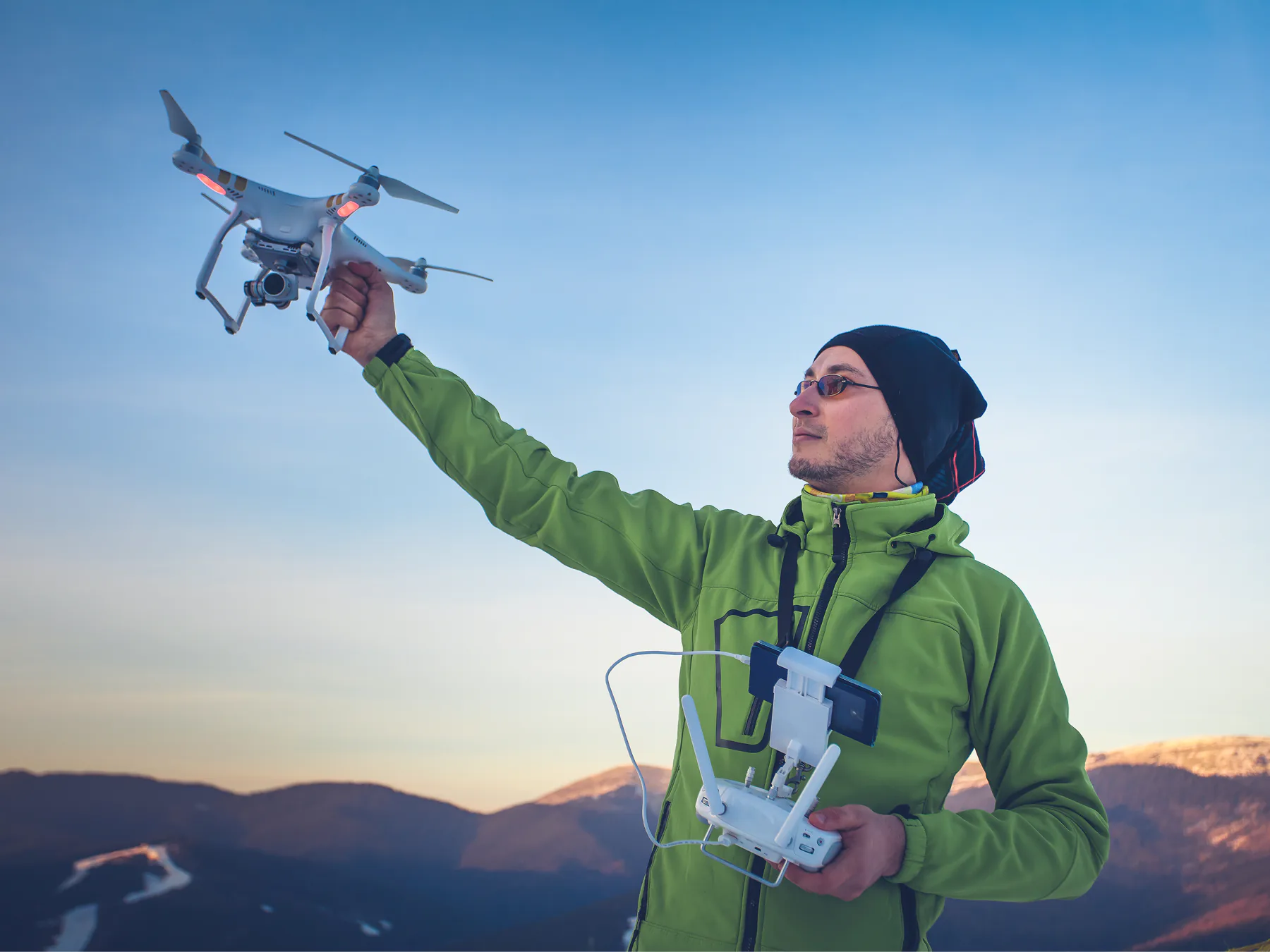
Drone rules used to be a patchwork of local notices you found out about after somebody complained. They now rest on 3 things a buyer can check before paying: what the aircraft weighs, the class label printed on it, and whether it broadcasts its position while it flies.
Weight sorts you into a lane
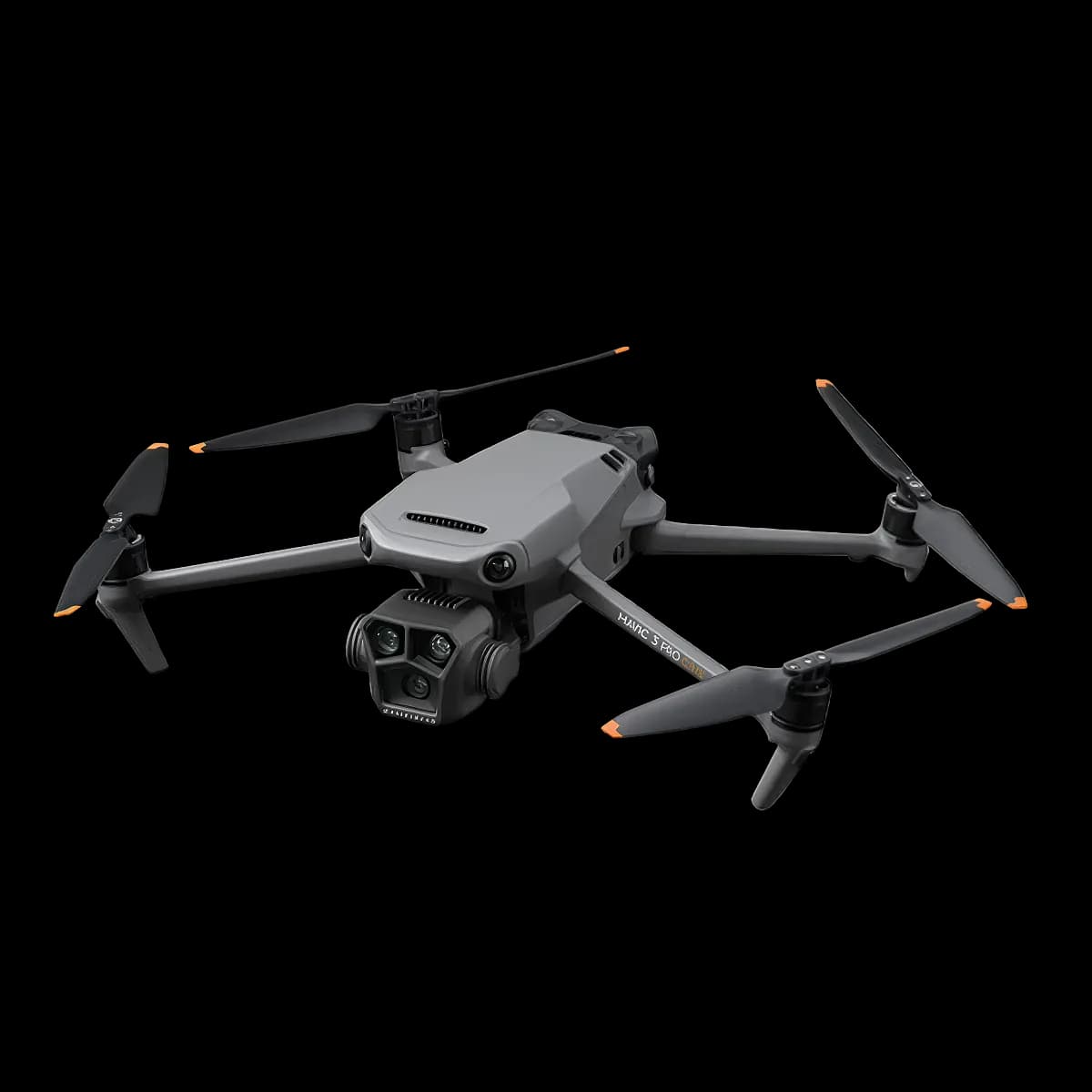
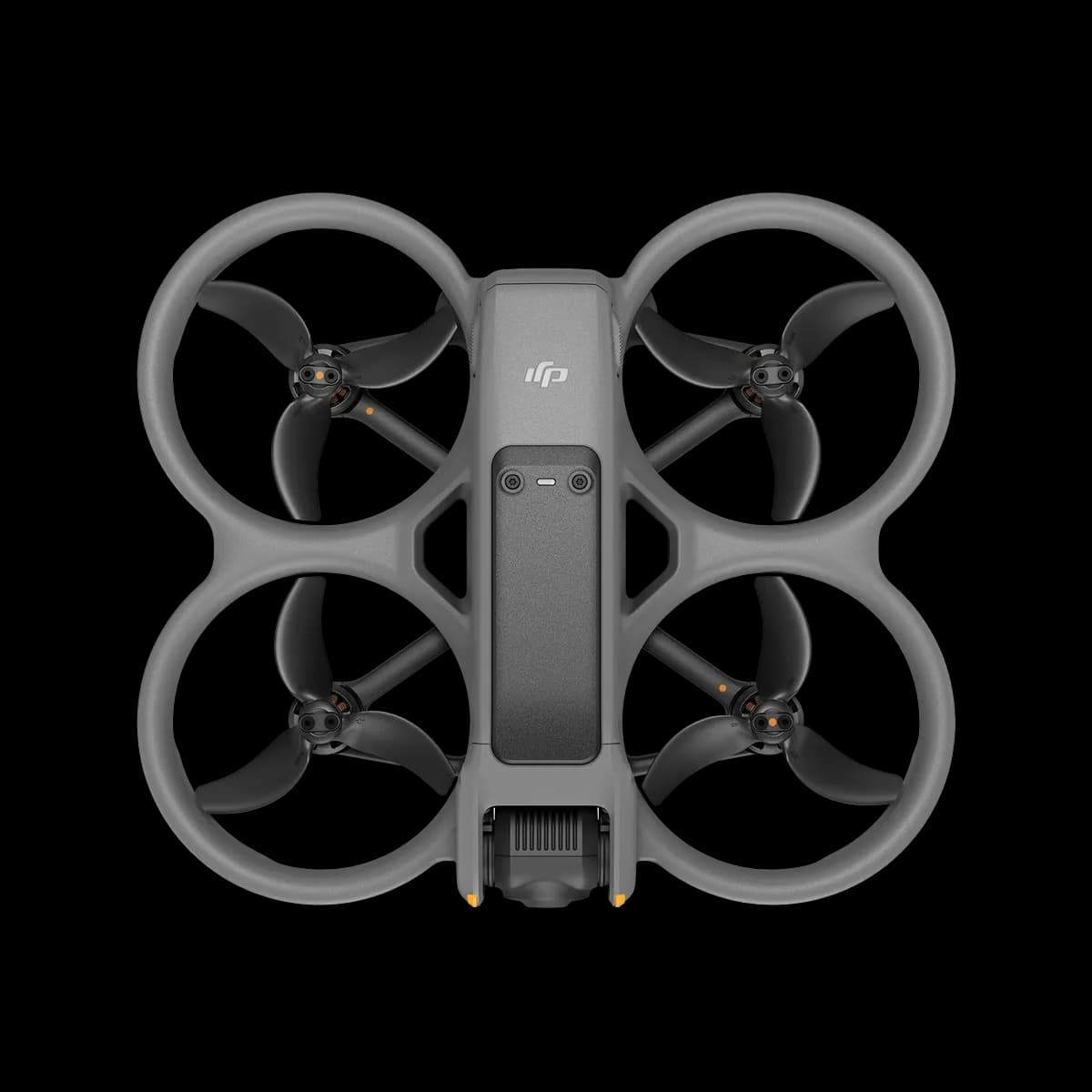
250g is the line every manufacturer designs against, because the lightest rules sit under it. Both the DJI Avata 2 and the Mavic 3 Pro sit above it, so the same short online test and operator registration apply to either. That is an afternoon and a number you stick on the airframe, not a barrier to buying one.
What the box has to tell you now
- A class label, C0 through C4, saying which lane the drone was built for. It is on the aircraft as well as the packaging.
- Remote ID, which broadcasts a serial number and a position while you fly, the way an aircraft broadcasts a transponder code. Current models do it in firmware.
- Registration is for the operator, not the aircraft, so 1 number covers every drone you own.
What still catches people out
Not the rules about the drone. The rules about the place. Airport approach paths, national parks, crowds, and private events each have a different answer, and none of them is in the manual. Temporary restrictions appear over fires, air shows, and state visits with no notice, which is why the map in the flight app is worth checking on the day rather than the week before.
Register once, label the airframe, check the map before you take off. That is most of compliance.
Daniel Reid
Mobile editor
Follows phones, the software on them, and the slow business of making 2 platforms talk to each other.