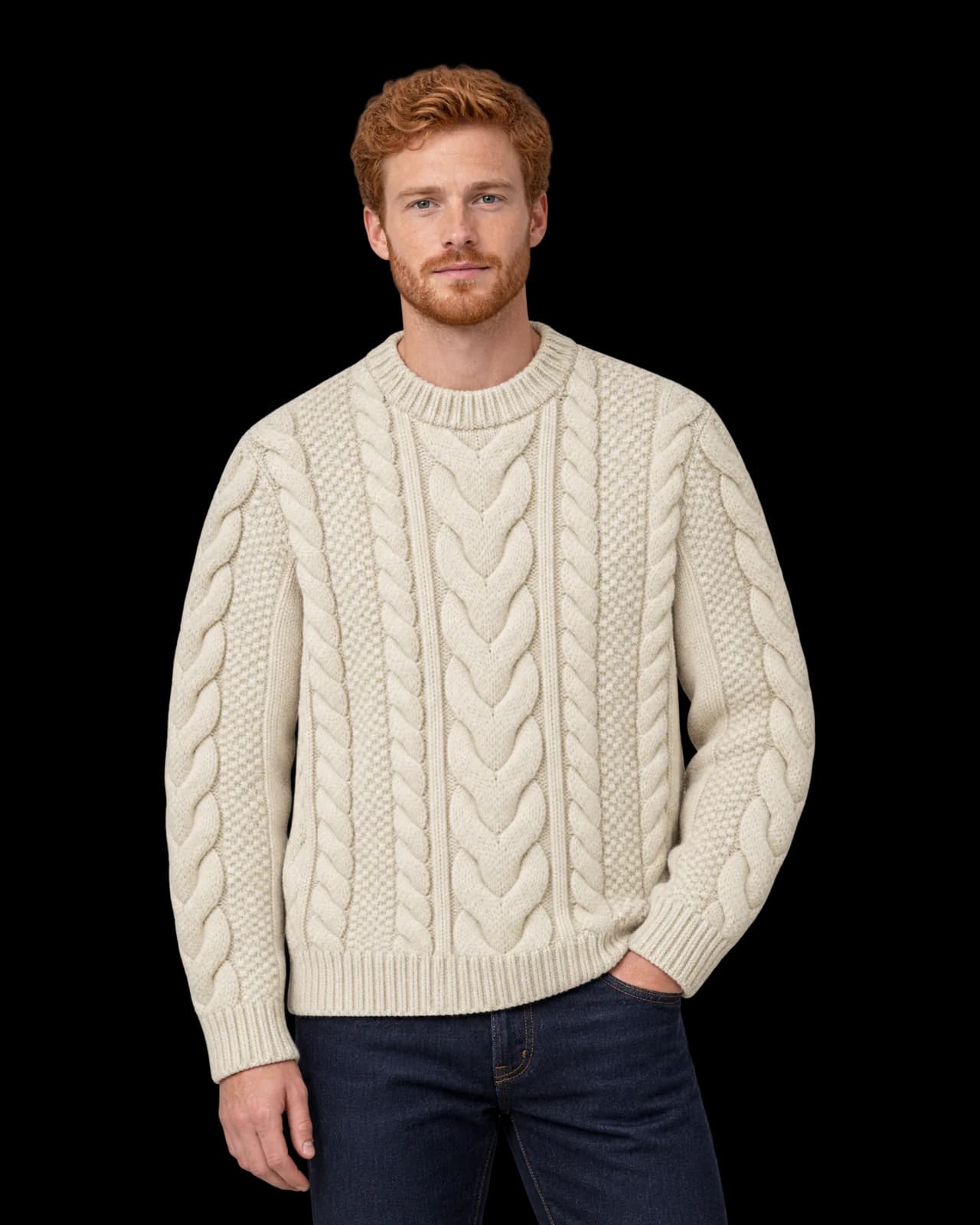
Putting knits away for the summer
Moths do not eat clean wool. They eat what is on it. Wash, fold, seal, and check once in July, and your sweaters come back in October as you left them.
By Nora Vang2 min read

Every autumn the repairs counter fills with moth holes, and almost all of them were made over the summer, in a drawer or a wardrobe nobody opened. It is the easiest damage there is to prevent.
Wash everything first
Clothes moth larvae feed on wool, but what draws the adults to lay eggs is what is on the wool: skin oils, sweat, a spot of food. A sweater worn once and put away is an invitation. Wash or air every knit before it goes in, following the same cool, gentle method you use all winter.
Fold, never hang
Knits stretch on a hanger over a summer. Fold them along the side seams and lay them flat, heaviest at the bottom. Then seal them in: a cotton storage bag, a lidded box, or a drawer that closes properly. Moths look for still, dark, undisturbed places, so the less air moves in and out, the better.
Cedar and lavender help, a little
Both put moths off but neither kills them. Cedar loses its scent within a season; give the blocks a light sanding each spring to wake it up. Lavender sachets need replacing every year. Think of them as a second line of defense, after clean wool and a closed drawer.
- Open the drawer once in midsummer, take everything out, and shake it in daylight.
- If you find holes, seal the piece in a plastic bag and leave it in the freezer for a week to kill any larvae.
- Vacuum the drawer or shelf before anything goes back in.
And if a moth got there first, bring the sweater to the counter. A small hole is a 10-minute darn, and like every repair it is free.